
Choosing the right front door is one of the most important decisions you can make for your home’s curb appeal and security. The front door serves as a focal point, setting the tone for visitors and passersby. With countless design, material, and color options available, selecting the ideal front door can be overwhelming. Whether you are renovating or upgrading, exploring all your choices—including timeless favorites like craftsman style front doors can ensure your entryway makes a big impression.
Besides contributing to aesthetics, your front door protects your family and belongings, creates energy efficiency, and adds value to your property. The right style ties your home’s architectural elements together for a polished look, while practical considerations like insulation, safety, and maintenance costs also matter.
Understanding Your Home’s Architecture
The style of your home acts as the foundation for your front door selection. Different architectural designs call for different door aesthetics, ensuring cohesion and visual harmony. For instance, Victorian homes typically pair well with ornate, paneled doors, while contemporary homes benefit from streamlined, modern options. Selecting a door style that matches your home’s architecture can instantly boost your curb appeal and the perceived value of your property.
When in doubt, review neighborhood trends and consult your home’s original design plans, if available. Remember, the goal is to find a front door that enhances both function and visual consistency without clashing with your home’s unique character.
Popular Front Door Styles
Front doors come in a diverse range of styles. The best choice will tie in with your home’s period and personality. Here are some popular options:
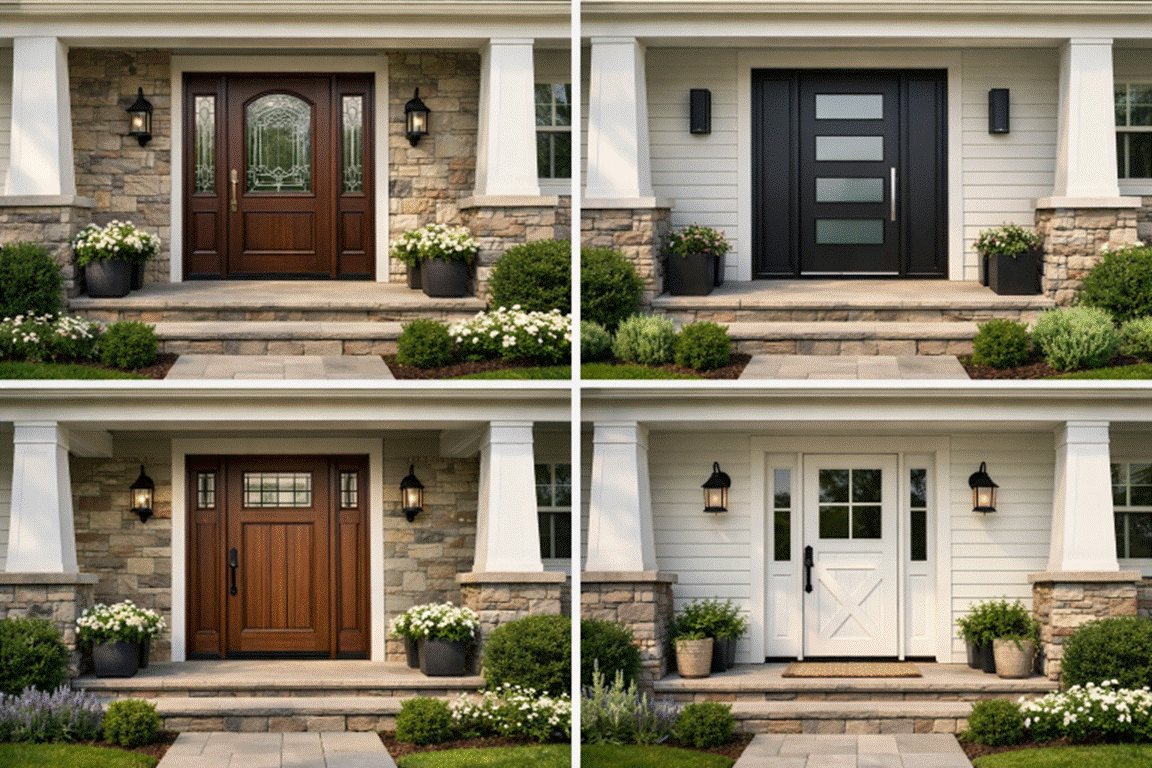
- Traditional: These doors are characterized by their classic, raised panels and may feature decorative glass or sidelights. Elegant and familiar, they’re versatile enough to suit various home types.
- Modern: Marked by minimalism, sleek lines, and understated ornamentation, modern front doors often feature glass panels and bold neutral colors for a striking entry.
- Craftsman: Influenced by the Arts and Crafts movement, Craftsman doors offer rich details, including straight lines, rectangular glass panes, and intricate woodwork. They pair perfectly with bungalows and cottage-inspired homes.
- Farmhouse: These doors lean into rustic charm, featuring crossbucks, vertical boards, and aged finishes. They often incorporate natural materials for an inviting, homey feel.
Popular door styles adapt well to both the home’s personality and the homeowner’s taste, so do not hesitate to explore unique hardware, embellishments, or glass inserts for extra interest.
See also: How Quality Roofing Protects a Home’s Long-Term Value
Material Matters
The material you choose impacts your front door’s durability, energy efficiency, and long-term maintenance. Each option has its own benefits and drawbacks:
- Wood: Classic and timeless, wood doors exude warmth and character. They can be painted or stained but are susceptible to weathering and require regular upkeep to protect their finish.
- Fiberglass: Engineered to look like wood without the same level of maintenance, fiberglass doors are resistant to warping, rot, and extreme temperature changes. They represent a lower-maintenance yet visually appealing option.
- Steel: Steel doors are a solid choice for those prioritizing security and durability. They may dent more easily than fiberglass or wood, but provide robust protection and efficient insulation.
In making your decision, also consider climate, exposure, and local weather patterns.
Color Considerations
Color can define the personality of your front entrance. Bold shades may make a statement or suit contemporary homes, while more muted tones align with traditional aesthetics. Consider your home’s siding, trim, and landscaping when selecting a hue. Avoid overly trendy or clashing shades that could date your home or offset its appeal. For example, while yellow commands attention, in some settings it may appear too bright or out of place, and black doors, especially those with a matte finish, can absorb heat, leading to damage over time.
Look for colors that complement exterior details and enhance the overall harmony of your home’s design. Swatches and sample boards are useful tools for visualizing the final effect before committing.
Security and Energy Efficiency
Security is a non-negotiable feature for front doors. Prioritize designs with solid cores, reliable locking systems, and quality hardware installations for maximum safety. Deadbolts, smart locks, and reinforced frames are wise investments.
Additionally, look for doors with energy-efficient features. Proper insulation, tight weatherstripping, and energy ratings can reduce utility costs and contribute to your home’s comfort. Today’s high-performance doors are designed with technology that minimizes drafts and seasonal temperature fluctuations.
Budget and Maintenance
The up-front cost is just part of the equation, since each door material comes with different maintenance requirements. Wood offers beauty and elegance, but costs more to maintain and needs regular sealing or painting. Fiberglass and steel doors are generally less expensive to maintain and provide good long-term value, especially in harsher climates where weather can impact performance.
Factor in not only the initial price tag, but also routine care, repair costs, and expected lifespan when making your selection. This practical approach will help you balance aesthetics with lasting functionality.
Installation and Professional Help
Even the best door will underperform if not installed correctly. Gaps, misalignment, or improper hardware can result in drafts and security vulnerabilities. Professional installers ensure your door fits properly and operates smoothly. They also handle necessary adjustments and address unique structural or framing challenges.
While experienced DIYers may be able to replace a standard door, specialized upgrades such as smart lock integration, transom windows, or sidelights are best left to experts with the appropriate tools and knowledge.
Conclusion
Finding the perfect front door for your home is a multifaceted process with aesthetic, functional, and practical considerations. By matching the door style to your architecture, choosing the right material and color, ensuring security and efficiency, and factoring in professional installation, you can elevate your home’s appearance and value. Take time to explore options, gather inspiration, and consult professionals when necessary to ensure your front door beautifully combines style, safety, and long-lasting performance.