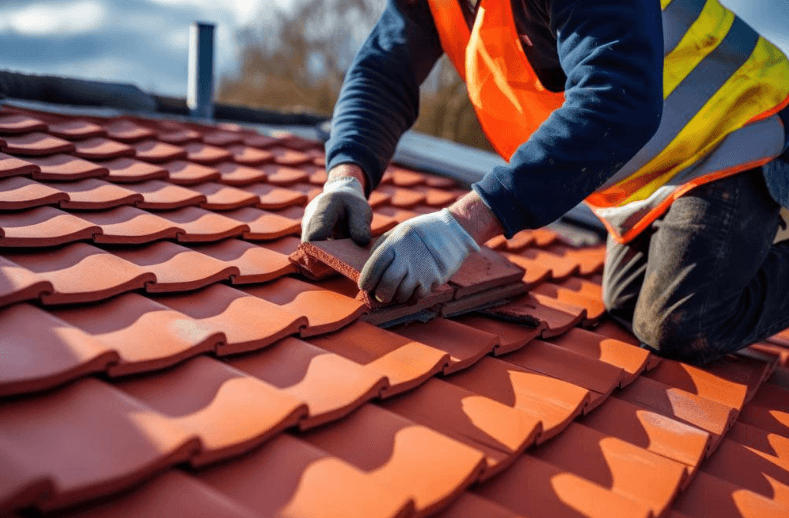

Roof maintenance is one of those jobs that can easily slip down your priority list until there is a leak, damaged flashing, or another problem that suddenly needs urgent attention. However, if you are responsible for commercial premises, planning roof maintenance properly is not only important for protecting your building. It is also essential for keeping employees, contractors, and maintenance teams safe while work is being carried out.
Working at height comes with obvious risks, so you need to make sure the right precautions are in place before anyone accesses the roof. Here are five practical steps you can take to make roof maintenance safer.
1. Carry Out A Thorough Risk Assessment
Before any maintenance work begins, you should identify the potential hazards associated with your roof and the task that needs to be completed.
This could include fragile roof materials, skylights, uneven surfaces, unprotected edges, poor weather conditions, or areas where equipment needs to be moved. A detailed risk assessment helps you understand where accidents are most likely to happen and what safety measures you should introduce.
You should also review the assessment whenever the type of work changes or new hazards are identified.
2. Install Suitable Edge Protection
Falls from roof edges are one of the most serious risks associated with working at height, which makes physical fall-prevention measures particularly important.
If your building requires regular roof access, investing in the right roof edge protection can help you create a safer working environment. Guardrail systems give a protective barrier around exposed edges, which means employees and contractors have more protection when they are carrying out inspections, repairs, cleaning, or equipment maintenance.
3. Make Roof Access Safer
Getting onto the roof can sometimes be almost as risky as working on it, so you should pay close attention to how people access the area.
Make sure access points are secure, clearly identified, and suitable for the people using them. Fixed ladders, roof hatches, stairs, and access platforms should all be inspected regularly and kept in good condition.
You should also think about how tools and equipment will be transported. Asking someone to climb a ladder while carrying bulky or heavy items can create a big risk that’s unnecessary, especially if a safer option is available.
See also: Autism Skill-Building at Home: Practical Routines for Families
4. Schedule Maintenance Carefully
Weather can dramatically affect how safe roof maintenance is. Rain can make surfaces slippery, while strong winds can impact balance and make equipment harder to control.
Where possible, you should schedule work for suitable weather conditions rather than pushing ahead simply because the maintenance has already been booked.
You also need to give workers enough time to complete the job safely. If people feel rushed, they may be more likely to take shortcuts, which is particularly dangerous when working at height.
5. Give Training And Clear Procedures
Finally, you need to make sure everyone involved understands the safety procedures they are expected to follow.
Workers should receive appropriate training for the tasks they are carrying out, including how to use access equipment, recognize hazards, and respond in an emergency. You should also have clear procedures covering roof access so that unauthorized or untrained employees do not enter potentially dangerous areas.
Safe roof maintenance ultimately comes down to preparation. By assessing risks, improving access, installing appropriate protective systems, and making sure workers know what is expected of them, you can maintain your building without exposing people to unnecessary danger.