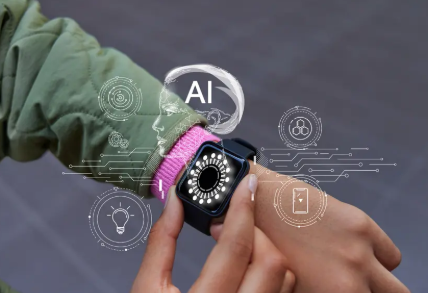

Smartwatches have come a long way from their early days as simple timepieces and basic fitness trackers. In 2026, these devices are smart companions that understand your habits, adapt to your routines, and provide insights that feel tailored specifically to you. At the heart of this transformation is artificial intelligence (AI) and machine learning (ML). These technologies enable smartwatches to learn from your behavior, anticipate your needs, and deliver personalized experiences that go far beyond step counting or heart rate monitoring.
The integration of AI into wearable technology has shifted smartwatches from reactive devices—simply reporting data—to proactive assistants that guide your health, productivity, and daily lifestyle choices. This blog explores how AI and machine learning are embedded in smartwatches, the kinds of personalization they provide, and how they are redefining the way users interact with wearable devices.
The Evolution of AI in Smartwatches
In the early 2010s, smartwatches relied mostly on pre-programmed features and simple algorithms. Notifications were uniform, and fitness metrics were generalized. While useful, these devices lacked the intelligence to adapt to individual users. Over the past decade, AI and ML have become integral, enabling watches to analyze patterns, predict outcomes, and customize experiences in real time.
By 2026, AI has penetrated nearly every aspect of smartwatch functionality. From health and fitness tracking to sleep monitoring, stress management, and productivity, AI transforms raw data into actionable insights. Machine learning algorithms identify trends and anomalies, allowing smartwatches to respond intelligently to users’ lifestyles, preferences, and environmental conditions.
How AI Learns From Your Habits
Machine learning works by analyzing data collected from your smartwatch sensors, apps, and connected devices. Over time, the watch recognizes patterns in your activity, sleep, heart rate, stress levels, and even communication habits.
For instance, if your smartwatch notices that your heart rate tends to spike during mid-morning meetings, it may suggest short breathing exercises or mindfulness notifications at that time. Similarly, it can detect patterns in sleep quality and recommend adjustments to your bedtime or evening routine. The longer you wear the device, the more accurate and personalized the recommendations become.
AI can also identify anomalies. If your activity levels suddenly drop, your heart rate shows irregularities, or sleep quality deteriorates, the smartwatch can flag these changes and provide actionable advice or even recommend consulting a healthcare professional.
Personalization in Health and Fitness
Customized Workouts
AI-powered smartwatches provide personalized workout suggestions based on your fitness level, past performance, and goals. If the watch notices you consistently hit certain heart rate zones during running, it may recommend interval training sessions to improve endurance or speed.
The watch can also adjust workout intensity in real time. For example, if your heart rate is higher than usual during a training session, the AI may suggest a lower-intensity exercise or a longer warm-up to prevent overexertion. This adaptive approach ensures workouts are safe, effective, and tailored to your physical condition.
Activity and Recovery Recommendations
Beyond workouts, AI helps optimize daily activity. It tracks how much time you spend sitting versus moving, suggests reminders to stand or stretch, and monitors recovery periods. If your smartwatch detects signs of fatigue from poor sleep or strenuous activity, it can recommend lighter exercise or rest days, helping prevent injury and overtraining.
AI also integrates with wearable sensors that track physiological metrics, such as heart rate variability, oxygen saturation, and temperature. These inputs allow the watch to assess readiness for activity, providing a holistic view of fitness that considers both physical and mental states.
Nutrition and Hydration Guidance
Some smartwatches in 2026 integrate AI-powered nutrition tracking. By syncing with food logging apps, the watch can analyze dietary patterns and provide personalized recommendations. For instance, it may suggest increasing water intake on days when you are more active or adjusting macronutrient intake to optimize energy levels and recovery.
The combination of fitness, recovery, and nutrition guidance makes AI a comprehensive wellness assistant. Users can make informed lifestyle choices based on real-time, personalized insights rather than generic recommendations.
Sleep and Stress Management
Sleep and stress are critical components of health, and AI enables smartwatches to offer sophisticated guidance in these areas.
Sleep Optimization
Using sensors that track movement, heart rate, and oxygen levels, smartwatches analyze sleep patterns in detail. AI identifies trends in your sleep stages, such as REM, deep, and light sleep, and suggests adjustments to improve overall rest. For example, the watch might recommend shifting your bedtime by 15 minutes to enhance REM sleep or suggest a wind-down routine based on past success with similar habits.
Over time, machine learning algorithms refine recommendations, tailoring them to your unique sleep rhythms. This personalization helps users wake up feeling more refreshed, optimize recovery, and improve overall well-being.
Stress and Mental Health Monitoring
Stress monitoring relies on heart rate variability, activity patterns, and environmental factors. AI can detect subtle signs of stress and provide proactive suggestions, such as mindfulness exercises, short breaks, or even guided meditation sessions. The watch learns which interventions are most effective for you, making its suggestions increasingly precise.
By combining activity, sleep, and stress data, AI creates a comprehensive view of overall wellness, helping users balance physical exertion, mental relaxation, and daily responsibilities.
Productivity and Smart Assistance
AI extends beyond health and fitness to enhance productivity and daily convenience.
Intelligent Notifications
Smartwatches in 2026 use AI to prioritize notifications based on context. For example, if you’re in a meeting, non-essential alerts may be muted, while urgent messages or reminders are highlighted. The watch can also suggest quick responses or summarize lengthy messages, allowing users to stay informed without constant phone interaction.
Contextual Reminders
AI-powered reminders go beyond time-based alerts. By analyzing location, schedule, and routine, the smartwatch can provide timely suggestions. For instance, it might remind you to leave early for a meeting if traffic conditions change or suggest hydration before a workout based on historical activity patterns.
Virtual Assistance
Voice assistants integrated with AI make interacting with the smartwatch more intuitive. Users can set appointments, send messages, control smart home devices, or access information using natural language commands. Machine learning ensures the assistant becomes more accurate and context-aware over time, offering recommendations tailored to individual behavior.
See also: How Emerging Technologies Are Transforming Civil Engineering
Integration with Other Devices and Ecosystems
AI enhances connectivity between smartwatches and other devices, creating a unified digital ecosystem. Health data can sync with apps on phones, tablets, and cloud platforms, providing detailed trend analysis. Smart home systems, connected vehicles, and IoT devices can interact intelligently with the smartwatch, allowing for automation based on routines and preferences.
For example, the watch can trigger smart lights or adjust thermostats based on your schedule or location. This integration ensures a seamless, personalized experience that spans multiple aspects of daily life.
Challenges and Considerations
Despite the benefits, AI in smartwatches has limitations. Data privacy is a primary concern; personal health and activity data must be securely stored and transmitted. Users should choose devices that comply with strict privacy regulations and offer transparent data handling policies.
Accuracy is another consideration. While AI improves insights, sensor limitations, environmental factors, and individual variations can impact data quality. Users should view smartwatch recommendations as guidance rather than definitive medical advice.
Battery life can also be affected by AI-powered features, especially continuous health monitoring and notifications. Manufacturers are addressing this through energy-efficient processors, optimized algorithms, and advanced battery technologies.
Future of AI in Smartwatches
Looking ahead, AI in smartwatches is expected to become even more predictive and autonomous. Potential advancements include:
- Predictive Health Alerts: Early detection of conditions like irregular heart rhythms, dehydration, or fatigue before symptoms manifest.
- Deeper Lifestyle Integration: AI coordinating across devices, apps, and environments for fully personalized experiences.
- Enhanced Fitness Coaching: Real-time adjustments to workouts using advanced physiological modeling.
- Behavioral Adaptation: Watches learning user preferences for communication, notifications, and daily routines to minimize distractions and maximize efficiency.
These advancements will further solidify smartwatches as essential tools for health, wellness, and productivity.
Conclusion
AI and machine learning have transformed smartwatches from simple tracking devices into intelligent, personalized assistants. By analyzing sensor data, learning user habits, and providing actionable insights, these devices enhance fitness, sleep, stress management, and productivity. The integration of AI ensures that each user receives recommendations tailored to their unique lifestyle, making the smartwatch a proactive tool for wellness and efficiency.
BEST BUDGET SMART WATCHES IN 2026
In 2026, smartwatches are not just wearables—they are AI-powered companions that anticipate needs, adapt to behavior, and help users lead healthier, more organized, and more connected lives. With continuous learning and integration across devices and platforms, these wearable assistants are setting a new standard for personalized technology in everyday life.