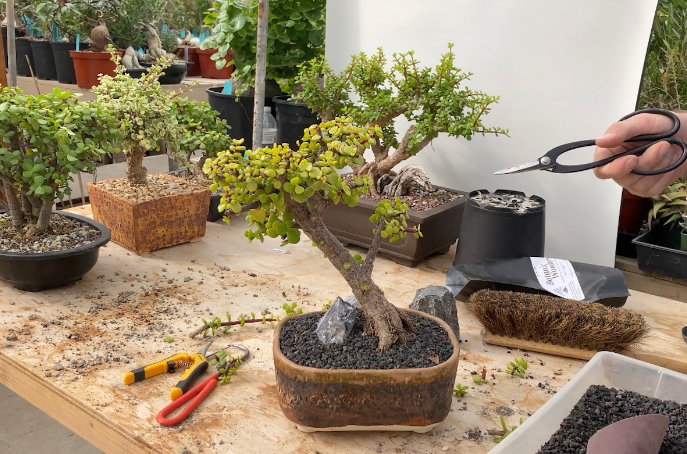

Bonsai trees are highly visual products. Unlike many ordinary gardening supplies, customers often decide whether to purchase a bonsai based on its shape, trunk, foliage, pot, and overall presentation.
For retailers receiving trees in bonsai wholesale quantities, proper preparation after delivery is therefore extremely important. A healthy plant can lose some of its appeal if it is displayed poorly, while a carefully presented bonsai can attract attention and encourage customers to learn more.
Inspect Plants Immediately
The first step after receiving a shipment is inspection.
Staff should examine each tree for signs of transportation stress, damaged branches, broken pots, displaced soil, dehydration, pests, or other issues.
Plants should not automatically be placed on the sales floor immediately after arrival.
Giving staff time to inspect and organize the shipment helps identify problems early.
Allow Plants to Acclimatize
Transportation can be stressful for living plants.
Depending on the shipping distance and environmental conditions, trees may benefit from a short acclimatization period before being placed in their final display location.
During this time, staff can monitor moisture levels, foliage condition, and general plant health.
The exact care requirements depend on species and season.
Organize by Species
Grouping similar trees can make a retail display easier to understand.
Customers may appreciate seeing different varieties together, particularly when signage explains their general characteristics.
Species grouping can also make staff care easier because plants with similar requirements can be managed together.
However, retailers should avoid assuming that all bonsai have identical needs simply because they belong to the same broad category.
Organize by Size and Price
Price and size are important purchasing factors.
A display can be organized into beginner-friendly smaller trees, medium specimens, and more developed premium plants.
This creates a natural progression for customers.
Someone looking for an affordable introduction to bonsai can quickly find appropriate options, while experienced customers can explore more developed trees.
Use Suitable Display Heights
Bonsai are small plants, so display height matters.
If all trees are placed directly on a low table, customers may need to bend down to inspect them.
Using different display levels can improve visibility and make the collection more attractive.
The display should remain stable and safe, particularly in busy retail environments.
Keep the Area Clean
Presentation quality is particularly important for bonsai.
Fallen leaves, weeds, dirty pots, dry soil, or damaged labels can make the entire section look neglected.
Regular cleaning should therefore be part of the retail routine.
The goal is not to make every tree look identical. Natural variation is part of bonsai’s appeal. Instead, the display should communicate that the plants are healthy and cared for.
Provide Clear Information
Many customers are interested in bonsai but are uncertain about how to maintain them.
Simple information cards can make purchasing easier.
Useful details may include:
- Common and botanical name
- Indoor or outdoor requirements
- Light preferences
- Watering guidance
- Seasonal considerations
- General difficulty level
Information should remain concise so customers can understand it quickly.
Don’t Overpromise
Retail staff should avoid describing every bonsai as easy to care for.
Different species can have significantly different requirements.
Accurate product information creates more realistic customer expectations and may reduce plant losses after purchase.
If a particular variety requires outdoor conditions or seasonal dormancy, that information should be clearly communicated.
Check Pots and Containers
The container is an important visual element.
A clean, appropriate pot can enhance the appearance of the tree. A damaged or oversized container can distract from it.
Retailers receiving bonsai wholesale shipments should inspect pots as carefully as they inspect plants.
If pots are damaged during transportation, affected trees should be separated until the issue is resolved.
Pricing the Collection
Pricing should reflect the tree’s size, age, development, species, pot, and overall presentation.
Retailers should avoid using a single pricing method for every bonsai.
A small beginner tree and a mature, carefully developed specimen may require very different pricing strategies.
Customers should also be able to see prices clearly.
Create Gift-Friendly Displays
Bonsai are often purchased as gifts.
Retailers can create dedicated displays during holidays, birthdays, anniversaries, or other gift-buying periods.
Simple presentation improvements can make bonsai feel more gift-ready.
Care instructions can also be included so the recipient understands how to look after the plant.
Rotate Inventory
Plants should not remain in the same position indefinitely.
Regular rotation can help ensure that all trees receive appropriate light and attention, depending on the store’s environment.
Rotation also gives the display a fresh appearance and allows staff to identify plants that may need additional care.
Monitor Plant Health
Retail display is not a substitute for horticultural care.
Staff should regularly inspect soil moisture, foliage, pests, and general condition.
Any tree showing signs of stress should be moved to an appropriate care area rather than remaining in the main display.
Prompt action can prevent small problems from becoming serious ones.
Train Employees
Employees should understand basic bonsai handling.
Branches and foliage can be delicate, and careless movement can cause damage.
Staff should know how to move pots safely, how to inspect plants, and how to provide basic customer guidance.
Training does not need to be extensive, but consistent handling practices can protect inventory.
Conclusion
Preparing bonsai for retail display requires attention to both plant health and presentation.
After receiving bonsai wholesale shipments, retailers should inspect the trees, allow appropriate acclimatization, organize plants logically, maintain clean displays, provide accurate information, and monitor health regularly.
The objective is to make the buying experience simple while allowing each tree to show its natural character.
A well-maintained bonsai display can attract attention, educate customers, and encourage both beginners and experienced gardeners to explore the hobby. For retailers, thoughtful presentation can turn wholesale inventory into a stronger and more appealing product category.