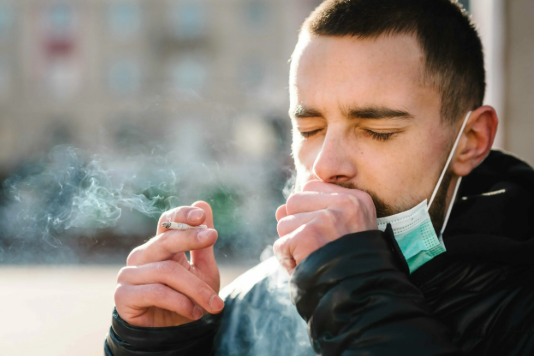

Almost everyone who tries to stop using marijuana after a long stretch of daily use runs into the same surprise. They expected the hard part to be boredom or habit, and instead they cannot sleep, cannot eat, and cannot sit still. They snap at people they care about. A week in, they feel worse than they did while using, which is the last thing anyone predicted. The most common conclusion at that point is that something is wrong with them personally, because the prevailing story about cannabis is that stopping should be easy.
It is not easy for everyone, and the reason has nothing to do with willpower. Regular, heavy cannabis use changes how the body regulates sleep, appetite, and mood, and when the substance is removed those systems need time to recalibrate. Clinicians at detox centers in New Orleans and across the country see this pattern regularly: people who assumed they would simply stop, then found the first two weeks harder than anything they had braced for. Knowing what is coming, and that it is temporary, changes the odds considerably.
Withdrawal Is Real, Even When It Is Not Dangerous
Cannabis withdrawal is rarely life-threatening, and that distinction matters. Unlike alcohol or benzodiazepines, where stopping abruptly can be medically hazardous, marijuana withdrawal is generally a question of discomfort rather than danger. But discomfort is not nothing. It is uncomfortable enough that a great many people quit quitting, decide the experiment failed, and go back to using with the added weight of a personal failure.
See also: Selling Quickly in Universal City: Options and Net Proceeds
What the Symptoms Usually Look Like
The common ones cluster around sleep, appetite, and mood:
- Insomnia, often the most disruptive symptom, sometimes with vivid or unsettling dreams once sleep returns
- Low or absent appetite, and a general loss of interest in food
- Irritability, mood swings, and a short fuse with people who did nothing wrong
- Restlessness and difficulty settling down
- Headaches
- Sweats and chills
- Nausea and abdominal discomfort
- Depressed mood
- Cravings, which tend to spike when the other symptoms are at their worst
The combination is what makes it hard. Poor sleep amplifies irritability, irritability strains the relationships a person needs right then, and low mood makes the cravings far more persuasive.
How Long It Lasts
For most people, symptoms run roughly two weeks, with the peak in the first several days and steady improvement after that. Heavy, long-term users can have a longer tail, with sleep and mood problems lingering for weeks or, in some cases, several months at a lower intensity. That extended timeline is worth knowing in advance, because someone who expects to feel normal on day fifteen and does not can easily read that as proof the effort is pointless when it is actually just a slower curve.
How Dependence Builds Without Anyone Deciding To
Cannabis dependence rarely arrives as a dramatic turning point. It accumulates. Use that started socially becomes evening use, then daily use, then use required to sleep or to eat or to get through an ordinary afternoon. Common signals include:
- Rising tolerance, needing noticeably more to get the same effect
- Spending more money on it than is comfortable, and adjusting the budget around it
- Genuinely intending to stop or cut back and repeatedly not managing it
- Visible changes others notice first, such as bloodshot eyes, slowed reactions, or unusual suspicion and paranoia
- Organizing the day around when use is possible
None of these require a person to have hit a crisis. That is part of why cannabis dependence goes unaddressed for so long: the consequences are usually cumulative and quiet rather than sudden and obvious.
Why Detox Alone Is Not Treatment
Getting through withdrawal is a real accomplishment, and it is also the smallest part of the work. According to the National Institute on Drug Abuse, detoxification alone is only the first stage of treatment and does little on its own to change long-term substance use; what follows it is what determines whether the change lasts. In practice, a supervised marijuana detox in New Orleans clears the immediate physical hurdle and buys a person a clear head, but the reasons they were using every day are still sitting there waiting on the other side.
Those reasons are usually specific: trouble sleeping without it, social anxiety, unprocessed grief or trauma, chronic pain, boredom, or a mood problem that was never named. Someone who removes the cannabis and addresses none of that is relying on stamina, and stamina runs out.
What a Structured Program Actually Does
Programs built for cannabis dependence tend to move through recognizable stages rather than treating detox as the finish line:
- Stabilization, the detox period itself, focused on rest and getting through the acute symptoms with support
- Preparation, where therapy and support groups start doing the real work of examining what use was doing for the person
- Action, applying new routines in actual daily life through community-based and campus activities rather than only in session
- Vision, building a concrete relapse prevention plan and a picture of what life looks like going forward
Counseling runs through all of it. So does peer contact, which does something individual therapy cannot: it puts a person in a room with others who describe the same experience and removes the assumption that they are uniquely bad at this.
Getting Through the First Two Weeks
A few things reliably help during the acute stretch:
- Tell someone what you are doing, so the irritability and low mood have context
- Expect the sleep problem and plan around it instead of lying in bed fighting it
- Eat on a schedule even without appetite, since low blood sugar makes every other symptom worse
- Use exercise and daylight early in the day to help reset the sleep cycle
- Pick a start date with the fewest obligations, rather than the middle of a demanding week
- Get medical guidance if you have a mental health condition, take other medications, or have a history of heavy long-term use
Where Real Recovery Begins
The hardest part of quitting marijuana is often the gap between what people expect and what actually happens. Expecting nothing and getting two weeks of insomnia, no appetite, and a foul mood feels like evidence of a personal failing. It is not. It is a predictable physiological adjustment with a known shape and a known end. What comes after that adjustment is the part that decides things: understanding what the substance was managing, building something else that does that job, and having support in place while the new routine takes hold. Withdrawal is the doorway, not the destination.