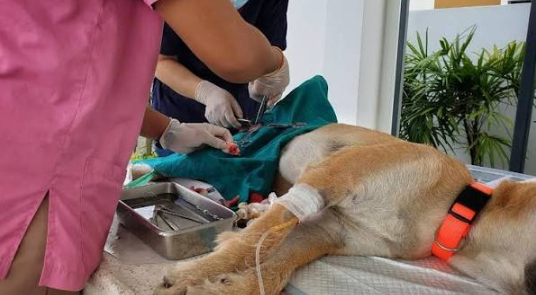

You want to do right by your pet, but the choice to schedule surgery can still feel heavy. Cost matters. Timing matters. If your dog or cat seems healthy, it is easy to wonder whether spay and neuter surgery can wait, or whether it is even necessary. That hesitation is common, especially when you are weighing one procedure against food, vaccines, grooming, and every other part of responsible pet care. Talking with an animal clinic in High River, AB can help you make an informed decision.
The core issue is simple. Spay and neuter services are not just about preventing unwanted litters. They are part of good veterinary care because they can lower the risk of some health problems, reduce certain behavior issues, and help limit pet overpopulation. The right timing depends on your pet’s age, breed, sex, and health, which is why this decision belongs in a conversation with a general veterinarian.
Spay and neuter services protect more than reproduction
When people think about sterilization, they often stop at pregnancy prevention. That matters, but it is only one piece of the picture. A female pet that is spayed will not go into heat, which can mean less stress at home and no risk of uterine infection called pyometra, a dangerous condition that can become an emergency. Spaying also lowers the risk of mammary tumors, especially when done before repeated heat cycles. A male pet that is neutered cannot develop testicular cancer and may have a lower chance of roaming, marking, or fighting, depending on the animal.
You may already be seeing some of these pressures in daily life. A cat crying through the night during heat, a dog pulling hard toward every scent on a walk, urine marking in the house, tension between intact pets in the same home. These are not small annoyances when you are living with them every day. They affect safety, stress, and the bond you have with your pet.
Research also shows why this topic keeps coming up in veterinary medicine. Evidence reviewed in a peer reviewed article on spay and neuter outcomes points to both benefits and tradeoffs, which means the goal is not one size fits all advice. It is a tailored plan based on your animal, not a rushed decision.
See also: How To Create A Dining Space That Works for Everyday Life in Oklahoma
The timing of pet sterilization deserves an individual plan
This is where many owners get stuck. You hear one person say to do it early, another says to wait, and online advice turns into noise fast. Breed size, growth patterns, and medical history can all affect the best timing. A small mixed breed dog may not need the same schedule as a giant breed dog. A healthy indoor cat may have a different risk profile than a dog that spends time around intact animals.
That does not mean the decision is impossible. It means the best answer comes from a physical exam and a real discussion about your pet’s life. The ASPCA spay and neuter guidelines reflect that practical approach. They support sterilization while recognizing that age, species, and circumstances matter.
If you delay too long, the risks can change. An unspayed female can develop pyometra later in life, often with vague signs at first like lethargy, vomiting, or reduced appetite. An intact male may become more determined to escape the yard or push through doors and fences when he smells a female in heat. What starts as “we will do it later” can turn into emergency surgery, a lost pet, or an accidental litter.
Spay and neuter in veterinary care balances health, behavior, and cost
Money is often the hardest part to say out loud, but it is real. Elective surgery has an upfront cost. Emergency care usually costs far more. Treating pyometra, managing birth complications, caring for a litter, or addressing injuries from roaming and fighting can strain a family fast. Preventive care is not free, but it is often more predictable and easier to plan for.
The American Veterinary Medical Association offers a helpful client guide on spay and neuter benefits that explains these points in plain language. For many owners, that kind of clarity helps cut through guilt and confusion.
| Consideration | Spayed or Neutered Pet | Intact Pet |
|---|---|---|
| Reproduction | No unplanned litters | Risk of pregnancy or siring litters |
| Female health | No pyometra, lower risk of some mammary tumors | Risk of heat cycles, pyometra, pregnancy related problems |
| Male health | No testicular cancer, possible reduction in some hormone driven behaviors | Risk of testicular disease, more roaming or fighting in some pets |
| Behavior at home | Often less marking, yowling, and mating behavior | More likely to show heat or mating related behaviors |
| Long term cost | Planned surgical expense | Possible emergency or litter related expenses |
Spay and neuter surgery works best when paired with good veterinary guidance
Schedule a wellness exam. If you are unsure about timing, start there. A general veterinarian can assess body condition, age, breed factors, and any medical issues that could affect surgery or recovery. This is the best way to get advice that fits your pet instead of generic advice from the internet.
Ask direct questions about risks, benefits, and recovery. You do not need to guess your way through this. Ask about pain control, activity limits, incision care, feeding changes, and what behavior changes are realistic. Clear answers make the decision feel less intimidating and help you prepare your home for recovery.
Plan early if cost is the barrier. Ask about estimates, payment options, and local low cost programs if needed. Waiting because you feel embarrassed about money often leads to fewer choices later. Most veterinary teams would rather help you make a workable plan now than see your pet come in with a preventable emergency.
Pet sterilization services are a routine part of responsible care
The importance of spay and neuter services in veterinary care comes down to prevention, safety, and peace of mind. You are not overthinking it if this decision feels emotional. Surgery is a big step. It is also one of the most common ways to protect your pet from avoidable health problems and reduce the strain that reproductive behaviors can place on daily life.
If you have been putting the decision off, the next step is simple. Book an appointment with a general veterinarian and talk through what makes sense for your pet now. Clear guidance, a tailored timeline, and a practical plan can make this feel manageable again.