Insulation and Air Sealing for Comfortable Houma, Louisiana Homes and Metal Buildings

Key Takeaways
- Comfort in Houma starts with a well-planned building envelope, from the roof and attic to walls, floors, doors, windows, and foundation areas.
- Air sealing typically comes before insulation because insulation cannot fully perform when outdoor air is moving through hidden gaps.
- Attic heat, humid air, damp crawl spaces, and leaky ductwork can all contribute to uneven indoor temperatures.
- Moisture control and ventilation should be part of every insulation project, particularly in Louisiana’s warm, humid climate.
- A home energy assessment can help identify the real source of drafts, high utility use, and persistent comfort problems.
In Houma, Louisiana, long cooling seasons, high humidity, heavy rain, and exposure to storms can put steady pressure on homes and light-commercial buildings. Whether the property is a raised house, a newer suburban home, a workshop, or a steel structure, Metal Building Insulation Solutions Houma, LA can be part of a broader strategy for controlling heat flow, drafts, and moisture. The goal is not simply to add more material wherever it fits. Effective upgrades consider how insulation, air sealing, ventilation, drainage, and mechanical equipment work together. That whole-building approach can make indoor spaces feel more consistent while helping heating and cooling systems operate under less strain.
Why Comfort Starts With the Building Envelope
The building envelope is the collection of materials that separates conditioned indoor space from outdoor conditions. It includes the roof or attic boundary, exterior walls, windows, doors, floors, foundation, and the joints between those components. In Houma, that boundary must help manage intense summer heat and humid outdoor air. Insulation slows heat transfer, while air sealing limits unwanted air movement through cracks and openings. Windows, doors, ducts, and moisture-management details also affect the result. A new air conditioner may still run for long periods if cooled air escapes through an attic hatch or warm attic air enters through ceiling penetrations. ENERGY STAR notes that sealing air leaks and adding insulation can improve comfort and may save up to 10 percent on annual energy bills.
Signs Your Home Needs Help
Building-envelope problems often show up in everyday routines. A single symptom does not confirm one specific cause, but these clues are worth investigating:
- Bedrooms, bonus rooms, or upstairs areas that remain too warm or too cold.
- Noticeable drafts near exterior doors, windows, attic access panels, outlets, or floor edges.
- Major temperature differences between rooms or floors.
- Utility bills that rise without an obvious equipment failure.
- Dust streaks around ceiling fixtures, vents, or wall openings.
- Musty odors, damp insulation, condensation, or visible staining in attic and crawl-space areas.
- Heating and cooling equipment that seems to run continuously.
For example, a hot room below the attic may result from thin insulation, gaps at the ceiling plane, sun exposure, duct leakage, or any combination of these conditions. Inspection helps prevent spending money on the wrong repair.
Why Air Sealing Comes Before Insulation
Insulation reduces conductive heat flow through building materials. Air sealing addresses a different issue: uncontrolled air movement through openings. When humid outdoor air enters cavities or conditioned air escapes into an attic, insulation alone may not solve the comfort problem.
Common Air-Leak Locations
- Attic hatches, pull-down stairs, and framing joints.
- Openings around plumbing pipes, electrical wiring, ducts, vents, and utility lines.
- Recessed lights and ceiling fixtures.
- Rim joists, crawl-space edges, and floor penetrations.
- Gaps around windows and exterior doors.
A practical sequence is to find leakage paths, correct appropriate gaps, resolve water or safety concerns, install or repair insulation, verify exhaust ventilation, and test again when practical. Chimneys, combustion appliances, electrical hazards, and wet materials require special care and may call for qualified professionals.
Choosing the Right Area to Upgrade
Attics and Ceilings
Attics are often a productive starting point because roof heat can raise ceiling temperatures and increase cooling demand. Insulation should cover the intended area evenly without large voids or severe compression. Before adding it, contractors should examine the ceiling plane for penetrations that allow attic air into living spaces.
Walls
Wall insulation may improve comfort, sound control, and energy performance, but access to the wall may be disruptive in finished spaces. Before closing a wall cavity, it is important to address roof leaks, plumbing leaks, or signs that moisture is entering from outside.
Floors, Crawl Spaces, and Foundations
Cold floors, damp odors, and drafts near baseboards can indicate issues beneath the living area. In raised homes and crawl spaces, insulation placement should match the property’s drainage, moisture, and ventilation approach. Covering damp wood or insulation without fixing the moisture source can worsen the underlying problem.
Moisture and Ventilation Still Matter
A tighter home needs intentional air exchange. Kitchen and bathroom fans should exhaust outdoors, not into an attic or enclosed cavity. Roof leaks, plumbing leaks, disconnected exhaust ducts, and damp crawl spaces should be corrected before insulation conceals them. The EPA explains that air sealing, moisture control, pollutant control, and mechanical ventilation should be considered together during home improvements. If a project involves mold, asbestos, radon, or combustion appliances, a professional evaluation is especially important.
Testing and Measuring Results
Testing can turn a general complaint into a more targeted work plan. Useful tools may include:
- Home energy assessments to identify likely sources of energy loss and discomfort.
- Blower door testing to measure uncontrolled air leakage.
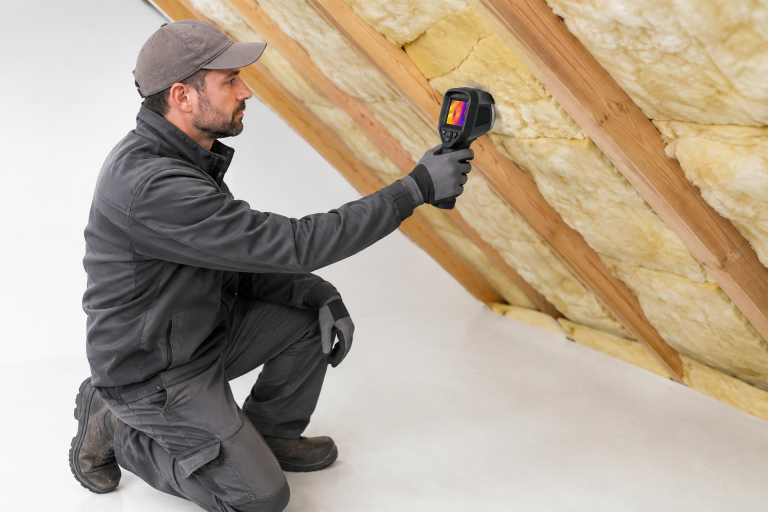
- Infrared scanning to reveal temperature patterns associated with missing insulation or leaks.
- Duct testing to locate leaks in duct systems outside conditioned space.
- Visual inspections to check insulation depth, gaps, staining, compression, and unsafe conditions.
Planning an Upgrade
- List comfort, humidity, odor, and moisture concerns room by room.
- Review utility bills and note seasonal changes in energy use.
- Schedule an assessment if the cause of the problem is unclear.
- Ask what repairs must happen before insulation is installed.
- Compare materials according to location, moisture exposure, durability, and installation quality.
- Request a written scope covering preparation, cleanup, ventilation details, and warranty information.
- Check current local utility, state, and federal program requirements before beginning work.
- Keep invoices, photos, product details, and test results for future reference.
Common Questions
Should air sealing or insulation come first?
Air sealing commonly comes first because it limits uncontrolled air movement. However, water damage, wiring concerns, ventilation needs, or combustion safety issues may need attention before either step.
Which area should be upgraded first?
Attics are often a practical place to start, but the best priority depends on the largest comfort concern, the home’s construction, and inspection findings.
Can insulation fix uneven temperatures?
It can help, but uneven temperatures may also be caused by duct leakage, poor air balancing, solar heat gain, equipment sizing, or air leaks.
Is the most expensive insulation always best?
No. Complete coverage, correct placement, moisture control, and careful installation often matter as much as the insulation material selected.
Conclusion
For Houma property owners, greater comfort usually comes from connected improvements rather than a single quick fix. Air sealing, insulation, moisture management, ventilation, and testing all play a role in how a building handles heat, humidity, and changing weather conditions. By identifying the actual sources of drafts, heat gain, dampness, or uneven temperatures, homeowners and building owners can make upgrades that support more reliable comfort year-round. It is also helpful to consider how different improvements affect one another, since adding insulation without addressing air leaks or moisture concerns may not resolve the underlying problem. Checking HVAC performance, sealing gaps around windows and doors, and improving ventilation where needed can contribute to a more consistent indoor environment. A careful assessment can also help property owners prioritize repairs, avoid unnecessary work, and plan improvements according to their building’s condition and budget. With a coordinated approach, comfort upgrades can support better indoor conditions and more manageable long-term maintenance.