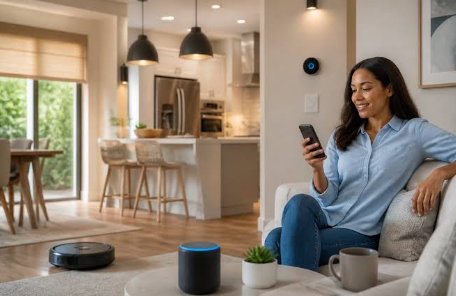

Technology is part of many everyday activities, from preparing for work to managing household tasks and maintaining personal routines. Electronic products can provide convenience, but choosing the right device requires attention to its purpose, features and long-term value.
With many categories and models available, consumers should begin by identifying what they need a product to do. A clear understanding of daily requirements makes it easier to compare options without paying for unnecessary features.
Identify the Main Purpose of the Product
Different devices are designed to solve different problems. A household appliance may help with cleaning or food preparation, while a personal care device may support grooming or everyday routines.
Before purchasing, consider how frequently the product will be used and who will operate it.
A device intended for daily use may need stronger construction and easier maintenance than one used occasionally. Products shared by several household members may also need simple controls and practical settings.
Compare Important Specifications
Specifications provide information about how a product is designed to operate. Their importance depends on the category.
For electrical appliances, relevant details may include power requirements, dimensions, operating modes and energy use. For personal care devices, buyers may focus on temperature settings, attachments, handling and cleaning requirements.
Other useful factors include:
- Ease of operation
- Size and storage requirements
- Noise during use
- Included accessories
- Safety features
- Warranty and service availability
A comparison based on these details is more useful than relying on product appearance alone.
Consider Design and Usability
A product should fit comfortably into the environment where it will be used. Size, weight, control placement and storage can affect everyday convenience.
For example, a compact appliance may suit a smaller home, while a product with several settings may be useful for households with different preferences.
Where possible, examine the product in person or review detailed demonstrations. This can help buyers understand its handling and operation before making a purchase.
Understand Maintenance Requirements
Maintenance is an important part of owning household technology. Some products require regular cleaning, filter replacement or inspection of removable components.
Before buying, check whether replacement parts are available and whether the product has specific care requirements.
Follow the manufacturer’s instructions rather than using unsuitable cleaning methods. For electrical equipment, disconnect it from the power supply before carrying out any permitted cleaning or maintenance.
Compare Energy Use and Long-Term Costs
The initial price does not always represent the full cost of ownership. Energy consumption, replacement accessories and servicing may add to expenses over time.
If energy information is provided, compare products under similar conditions. A device that uses less energy may be useful for frequent operation, although actual consumption depends on usage patterns.
Also review warranty terms and the availability of authorised service support. These details can affect the overall value of a purchase.
Exploring an Established Product Range
Consumers comparing Philips products can review the available collection and identify models that match their intended use.
The exact specifications should always be checked at product level. A brand may offer several categories, and features can differ significantly between individual models.
Review the product description, included accessories, warranty and care instructions before deciding.
Buying Online With Confidence
Online shopping makes product comparison convenient, but buyers should verify the seller and listing information.
Check the exact model number, product dimensions, delivery arrangements and return conditions. If a detail is missing, contact the retailer before ordering.
Use secure payment methods and keep the purchase confirmation and receipt. These documents may be useful if a product arrives damaged or requires support.
Using Technology Responsibly
Once a product is purchased, read its instructions and use it as intended. Avoid modifying electrical equipment or using accessories that are not approved for the model.
Store devices safely, keep cables in good condition and follow recommended maintenance procedures.
Responsible use can help reduce avoidable damage and make everyday technology more manageable.
FAQs
1. What should I consider when buying a household electronic product?
Review its intended use, specifications, size, energy requirements, safety information, maintenance needs, warranty and total cost.
2. Is a more expensive appliance always better?
No. A higher price does not guarantee that a product is suitable for your needs. Compare features and performance against the tasks you expect it to perform.
3. Why should I check replacement parts before purchasing?
Some products require filters, accessories or other replaceable components. Availability can influence maintenance costs and the product’s practical lifespan.
Conclusion
Choosing everyday technology becomes easier when buyers focus on purpose, usability and long-term ownership. Comparing specifications, maintenance requirements, energy use and support arrangements can help identify products that suit household routines. Careful research before purchase also makes it easier to use technology responsibly.