
Dealing with a clogged bathroom sink disrupts your daily routine and can quickly become a source of stress. When water refuses to drain properly, daily activities like brushing your teeth or washing your face become challenging. While it might be tempting to pour harsh chemical cleaners down the drain for an instant fix, these products often pose risks that aren’t immediately obvious. Chemical drain cleaners can corrode pipes, especially over time, leading to expensive repairs. They can also release toxic fumes that are harmful to your health, potentially causing respiratory irritation or skin burns if used improperly. Fortunately, you don’t have to rely on aggressive chemical products; there are safer, eco-friendly solutions that effectively solve most clogging issues. If you find yourself facing a particularly stubborn blockage or need rapid assistance, consider reaching out to professionals like emergency plumbing services in Salt Lake city for quick support. Their expertise can help address issues that are beyond the reach of common household remedies and ensure your plumbing system remains in top shape.
Adopting a chemical-free approach not only helps keep your plumbing in good shape but also reduces environmental impact. By avoiding caustic chemicals, you help minimize the amount of toxic substances that can enter local water systems and potentially harm wildlife. Furthermore, many natural unclogging methods are inexpensive and use ingredients you likely have at home. Understanding what causes bathroom sink clogs and learning how to address and prevent them is key to sustaining a functional, trouble-free sink for years to come.
Common Causes of Bathroom Sink Clogs
Knowing what leads to clogs is the first step toward tackling and preventing them. Several materials commonly found in bathrooms can accumulate in pipes over time, gradually impeding or even fully blocking water flow. The most frequent sources of blockages in bathroom sinks include:
- Hair Accumulation: Hair strands, especially when mixed with soap scum, often create tough clogs just below the drain cover. Over weeks and months, loose hairs get trapped by sticky soap residue, forming a mesh that not only blocks water but is also difficult to remove without manual intervention.
- Soap Residue: Bar and liquid soaps can leave a sticky residue that gradually narrows the drain opening. As soap breaks down, especially if combined with hard water minerals, it can create stubborn deposits inside pipes, exacerbating the blockage.
- Foreign Objects: Toothpaste caps, cotton swabs, and small pieces of jewelry often accidentally fall into sinks, causing blockages. If left unchecked, these objects can catch on the interior of the pipe and become surrounded by other debris, quickly worsening a minor clog into a major one.
Clogs rarely clear on their own, so prompt action can prevent more serious plumbing issues later. Addressing a blockage early prevents it from escalating into a full drain backup, which could even lead to water damage.
Natural Methods to Unclog Your Sink
When you notice water draining slowly or pooling in your bathroom sink, don’t panic. There are several natural, chemical-free methods you can try at home before resorting to commercial drain cleaners or calling a plumber. Here are some effective ways to eliminate common sink clogs using everyday household items.
1. Boiling Water
Hot water provides a powerful and straightforward way to clear minor blockages caused by soap or grease. For simple, slow drains that haven’t fully clogged, this method can dissolve residues and get pipes flowing again. Follow these steps:
- Boil a large pot of water. If you’re using metal pipes, boiling water is safe; for PVC pipes, use very hot water, not boiling, to avoid damaging the plastic.
- Slowly pour the boiling water directly into the drain in two or three stages, pausing between each pour to allow the water to work its way through the clog.
This approach is best for melting soap scum and loosening greasy buildup. For more stubborn blockages, you may need to repeat the process. Take care not to spill hot water, and ensure your sink basin can tolerate the heat.
2. Baking Soda and Vinegar
This tried-and-true method causes a fizzing chemical reaction that loosens grime and minor clogs. Baking soda is a mild abrasive and neutralizer, while vinegar breaks down organic materials. Here’s how to do it:
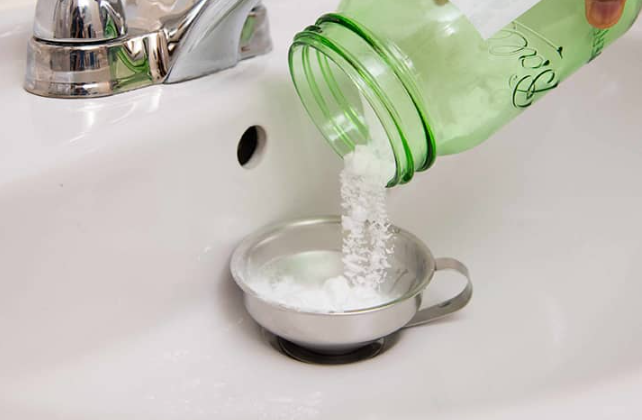
- Pour about half a cup of baking soda into the drain. You may need a funnel or spoon to help the powder reach further into the pipe.
- Follow with a cup of white vinegar. The mixture will bubble and fizz; this reaction helps break apart the clog.
- Plug the drain, if possible, and allow the mixture to sit for 15 to 30 minutes. This gives the reaction time to work on the obstruction.
- Flush the drain with hot water to clear the loosened material and any remaining residue, completing the cleaning process.
The baking soda and vinegar method is best for early or light blockages, rather than large, compacted clogs.
3. Plunger
A standard sink plunger can provide substantial suction power and is often enough to dislodge a stubborn clog. To use a plunger, first fill the sink with enough water to cover the plunger’s cup. This helps create a solid seal. Position the cup over the drain and plunge forcefully for about 20 seconds, maintaining a tight seal and consistent rhythm. If the clog doesn’t clear right away, repeat the process. Occasionally, you may notice debris surfacing; remove it and dispose of it properly. After plunging, run water to test if the blockage has cleared.
4. Drain Snake
If water still does not drain, try using a manual drain snake or auger. Insert the tool into the drain and turn the handle to capture or break apart the clog. As you push deeper, twist the auger to help the device maneuver around bends and debris. Carefully withdraw the snake, removing any debris attached to the tool. Run water to check if the blockage is gone. In many cases, this approach is particularly effective for removing hair or larger obstructions lodged further down the pipe. Drain snakes are available at most home improvement stores and can be reused, making them a cost-effective solution for recurring issues.
See also: How IPTV in USA Is Changing the Technology Behind Television
Preventive Measures
- Install drain guards to catch hair and other debris before it enters your pipes. These inexpensive mesh or silicone covers are easy to clean and can help catch trouble before it starts.
- Avoid disposing of thick substances, greasy products, or any large particles down the bathroom sink. Even seemingly harmless items, like toothpaste residue or moisturizers, can contribute to a slow buildup over time.
- Once a week, flush your sink with hot water to prevent buildup. Regular maintenance like this is simple but effective at keeping drains clear and functional.
Taking these preventative actions can greatly reduce the likelihood of facing stubborn clogs in the future. With a little attention and minimal effort, you can maintain your bathroom sink in excellent working condition year-round.
When to Seek Professional Help
If persistent clogs continue despite repeated attempts with these natural methods, or if you notice water backing up in other areas of your home, it may be time to consult a licensed plumber. Sometimes the cause of a blockage lies deep within the plumbing system, beyond the reach of household tools. Chronic blockages can signal deeper plumbing problems such as pipe collapses, tree root intrusions, or complex obstructions, which only experienced professionals can diagnose and repair using specialized equipment.
Final Thoughts
Using these natural solutions and preventive steps helps keep your bathroom sink clean, functional, and safe for everyday use without the risks associated with harsh chemicals. Simple, consistent care can prolong the lifespan of your plumbing and save you money on repairs. Remember, if a situation feels beyond your skill level, seeking professional help ensures the problem is solved safely and effectively, giving you peace of mind and a smooth sink.