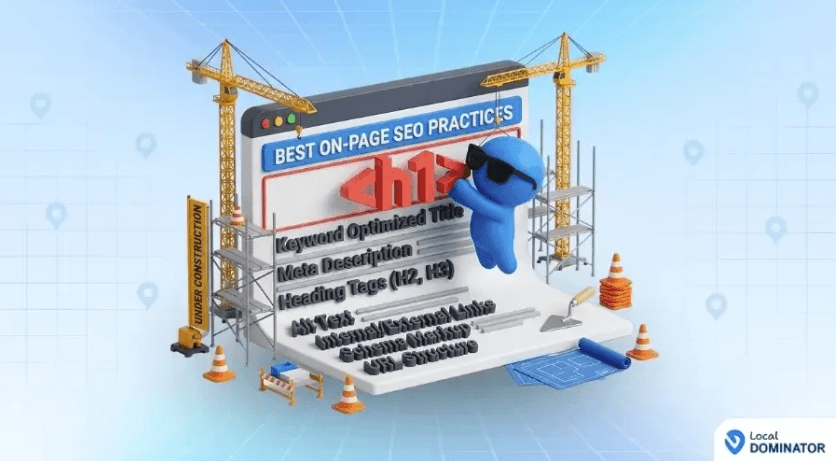
Search engine optimization involves many different components. While external factors like backlinks and brand mentions matter, the elements within your direct control carry significant weight. On-page optimization focuses on improving the content and structure of your website. It ensures search engines understand your pages and present them to users searching for your products or services.
Effective optimization requires a clear and consistent strategy. It involves updating technical details, structuring content logically, and maintaining a positive user experience across all devices. This guide explains the core components of on-page optimization and how to apply them systematically to your website to ensure long-term visibility.
Understanding Search Intent and Content Relevance
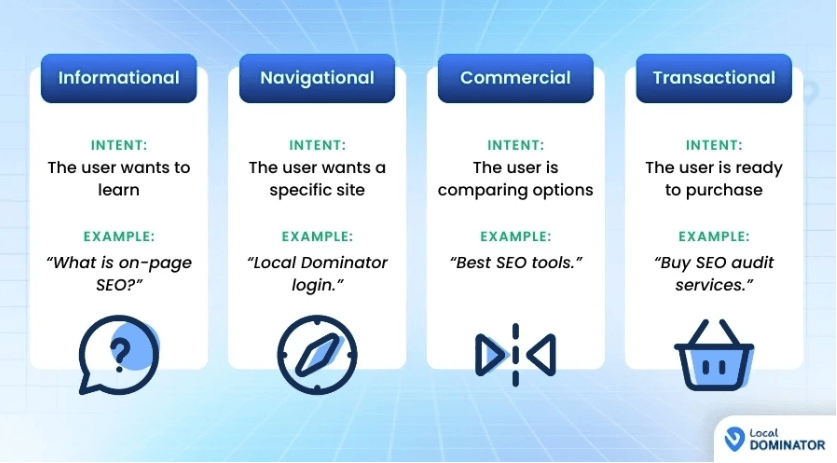
The most important aspect of any website is its content. Search engines exist to provide users with the most relevant answers to their specific queries. If your content does not match what the user is actually looking for, the page will not rank well, regardless of how many keywords you include.
Before writing new material or updating existing pages, you must identify the primary search intent behind your target keywords. Users typically search for one of three reasons: to find information, to navigate to a specific website, or to make a purchase. You must align your page structure and the information provided to meet those specific needs. For example, an informational search requires a detailed guide or tutorial, while a transactional search requires clear product details and a simple checkout process.
Provide clear, accurate, and comprehensive information. Address common questions related to your main topic. Break down complex subjects into easily digestible sections using bullet points and short paragraphs. Search engines reward pages that thoroughly cover a subject and provide genuine, objective value to the reader. Managing your on-page SEO for stronger content relevance requires consistent attention to content quality and relevance over time.
Structuring Content with Clear Headings
Headings organize your content for both readers and search engine crawlers. They break text into manageable sections, making it much easier to read. When a visitor lands on a page, they typically scan the text before deciding to read the entire article. Clear headings help them find the specific information they need quickly.
Search engines use headings to understand a page’s hierarchy and main topics. Use a single H1 tag for your page’s main title. This tag must clearly state the primary topic. From there, use H2 tags for main sections and H3 tags for supporting sub-sections. This logical structure guides the reader through the text seamlessly. Include relevant terms naturally in your headings, but avoid forcing them where they do not make sense. Proper structure improves overall readability, which keeps users on your page longer and signals to search engines that your content is useful.
See also: Advanced x-ray tech: boosting cargo and airport security
Writing Effective Title Tags and Meta Descriptions
Title tags and meta descriptions appear directly in search engine results pages. They serve as the first impression users have of your website before they even click a link.
The title tag should accurately describe the page’s content. Keep it under 60 characters so it displays fully in search results without being cut off. Place your primary topic near the beginning of the title so users know immediately what the page is about. Every single page on your website should have a unique title tag to prevent confusion.
The meta description provides a brief summary of the page directly beneath the title. While search engines have stated that meta descriptions do not directly impact rankings, a clear, accurate description encourages users to click your link rather than a competitor’s. Keep meta descriptions under 160 characters. Write straightforward summaries that explain exactly what the user will find on the page and why it is useful.
Optimizing URLs for Clarity and Context
A clear URL structure helps both human users and search engine bots understand the context of a specific page. Keep your URLs short, descriptive, and easy to read. Always use hyphens to separate words instead of underscores or spaces.
Avoid using random numbers, dates, or complex parameters in your URLs. A URL formatted as website.com/services/plumbing-repair is much clearer than website.com/category/p=12345. Clean URLs look professional, are easier to share in emails or documents, and provide search engines with immediate clues about the page’s main topic. Furthermore, try to keep your URL structure flat. Pages should ideally be accessible within three clicks from your homepage to ensure they are easily found.
Improving Navigation with Internal Linking
Internal links connect the various pages on your own website. They serve several important functions. First, they help users navigate your site and discover related information naturally. Second, they establish an information hierarchy and help spread visibility across your entire domain.
You should regularly link to relevant pages within your own content. When creating these links, use descriptive anchor text that clearly indicates what the destination page is about. Avoid generic phrases like “click here” or “read more.” Instead, use descriptive phrases that provide immediate context. A strong internal linking structure helps search engines discover new pages faster and understand how your content pieces relate to one another. Building topic clusters, where a main pillar page links to several supporting articles, is an effective way to logically organize information.
Managing Image Optimization and Media
Images enhance the user experience by breaking up text and providing visual context, but they can also slow down your website if not managed properly. Large image files increase load times, which negatively impacts both human users and search rankings.
Compress all images to reduce their file size without losing visual quality. Save them in modern, efficient formats like WebP or JPEG. Additionally, use descriptive file names before uploading images to your server. A file named commercial-hvac-unit.jpg provides much more context than IMG_9876.jpg.
You must also include alt text for every image. Alt text describes the image for visually impaired users who rely on screen readers to browse the internet. It also helps search engines understand the image’s specific context. Write clear, concise alt text that accurately describes the visual content without stuffing it with unnecessary terms.
Ensuring Mobile Friendliness and Fast Page Speed
The majority of users now access the internet through mobile devices. As a result, search engines prioritize mobile-friendly websites in their ranking systems. Your website must display correctly and function smoothly across all screen sizes. Implementing responsive design ensures your layout adapts automatically to the user’s specific device, whether it is a smartphone, tablet, or desktop computer.
Page speed is another critical technical factor. Users expect websites to load almost instantly. Slow pages consistently lead to high bounce rates, as visitors will simply leave if a page takes too long to appear. To improve speed, minimize the use of heavy scripts, enable browser caching, and use a reliable hosting provider. Pay close attention to core performance metrics, such as how fast the main content loads and how quickly the page responds when a user clicks a button.
Conducting Regular Site Audits
Websites change over time. Internal links break, content becomes outdated, and unexpected technical errors occur during updates. Regular maintenance is necessary to keep your website functioning properly and efficiently.
Running periodic checks helps you identify and fix errors before they negatively impact your search visibility or frustrate your users. You can streamline this process by using a reliable site scanner to automatically crawl your domain. This type of tool identifies broken links, missing meta tags, slow-loading pages, duplicate content, and other technical issues. Correcting these errors promptly ensures search engines can crawl and index your site without interruption, maintaining the overall health of your digital presence.
Final Thoughts on Mastering On-Page SEO
On-page optimization is an ongoing process rather than a one-time task. It requires regular updates, routine technical maintenance, and a strict commitment to providing high-quality, objective content. By focusing on logical site structure, strict content relevance, and a smooth user experience, you build a solid foundation that search engines can easily understand and categorize.Consistency is the most important factor in maintaining visibility. Search algorithms update frequently, and user search behavior changes over time. You must regularly review your pages, update your content to ensure accuracy, and monitor your technical performance to maintain your position. Local Dominator is a cloud-based Search Everywhere Platform specializing in unified local SEO and AI search tracking for local agencies and businesses. It serves as a single source of truth that integrates SERP analytics and citations to make visibility simple, predictable, and scalable across all digital touchpoints. Implementing a structured, deliberate approach to your website ensures you capture the right traffic and meet the exact needs of your target audience year after year.