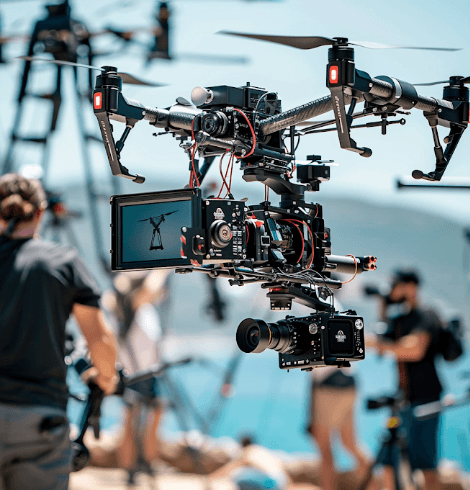

Filmmaking has always been driven by ambition. Storytellers dream big, and technology now gives them the tools to match that vision. From the first spark of an idea to the final cut, innovation has reshaped how films are made. What once required enormous crews and sprawling budgets can now be achieved with greater precision and creative freedom than ever before.
Cameras That Capture Every Vision
Today’s cinematographers work with high-resolution digital sensors and lightweight rigs that capture stunning detail across a wide range of environments. Directors can review footage instantly, allowing them to refine performances and framing on the spot. It’s a level of creative control that filmmakers from previous generations could only dream of. Christopher Nolan used IMAX cameras extensively on Dunkirk to capture its intense battle sequences and vast landscapes. By pushing the format to its limits, he created a film that felt both epic and intimate, earning three Academy Awards and widespread critical acclaim.
Visual Effects That Blur Reality and Imagination
Few advances have expanded storytelling as dramatically as modern visual effects. Entire worlds now emerge from digital canvases, from distant galaxies to ancient cities rebuilt in extraordinary detail. Artists blend practical sets with computer-generated environments so seamlessly that audiences rarely notice the difference. Virtual production stages, powered by large LED walls, place actors inside responsive backdrops that react to camera movement in real time, giving directors precise control over light and atmosphere while keeping performances grounded.
Editing Tools That Shape the Story
Once filming wraps, the real magic begins in the edit. Today’s software gives filmmakers the ability to arrange thousands of shots with remarkable speed and precision. Color grading tools set the mood of a scene with a single carefully chosen palette, while sound design layers dialogue, music, and effects into a rich and immersive sonic experience. Cloud-based collaboration allows editors, composers, and directors to work together seamlessly from anywhere in the world, with ideas shared instantly across a deeply connected creative team. It’s a deeply human process, where countless small decisions quietly shape the way a story lands with audiences everywhere.
See also: Template vs Custom WordPress Managing Sites: Which Is Best for Your Scalable Business?
Smart Tools That Streamline Production
Behind every great film lies a mountain of logistics, and technology has made that groundwork far more manageable. Digital scheduling platforms coordinate cast, crew, and locations efficiently, keeping productions on track and within budget. Previsualization software lets directors plan complex sequences before filming begins, saving valuable time on set. Intelligent tools now assist with tasks like organizing footage and refining audio, freeing artists to focus on the creative decisions that matter most. These innovations don’t replace human creativity — they simply give it more room to breathe and flourish.Bardya Ziaian Toronto, fintech executive and President and CEO of SITTUU Group Inc., made his film industry debut during the pandemic, writing and starring in Super Dicks. Drawing on his management background and love of storytelling, Bardya Ziaian navigated the unique challenges of producing a film during that period. Today, technology empowers filmmakers to bring ambitious ideas to life and connect with audiences worldwide. Advances in cameras, visual effects, editing, and production planning have made storytelling more precise, expansive, and impactful than ever before.