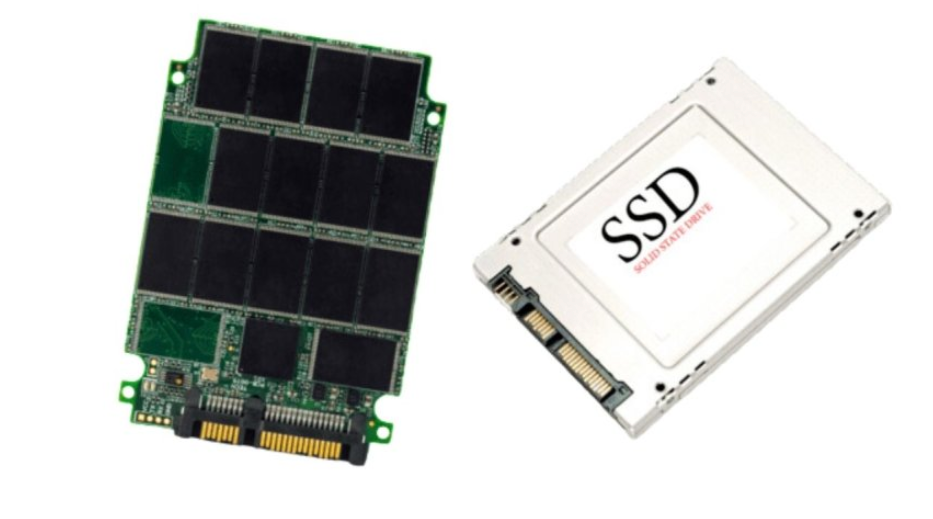

For decades, traditional storage technologies helped computing perform better; however, current workloads demand much more than what mechanical hard disks can offer. Organizations want their information available immediately, quicker application processing, and a system capable of working without interruption. With digital transformation taking place, there is no doubt that today, performance in storage matters to maintain productivity and efficiency.
The adoption of high-speed SSD-based storage has become popular among enterprises due to its numerous benefits compared to traditional storage technology. Higher data access speed, higher reliability, reduced energy consumption, and enhanced scalability make SSDs a reasonable choice for enterprises working with growing loads. This is going to assist in making proper decisions.
1. Why Traditional Storage Is No Longer Enough
When organizations are looking at the top solid-state drives, there is a reason why they choose them. Conventional mechanical hard drives can no longer meet the needs of contemporary businesses.
Mechanical hard disk drives consist of spinning platters and moving heads, which inevitably create some delay in performance.
The contemporary business environment generates vast amounts of data through cloud computing, analytical solutions, virtualization, and enterprise-level software. The conventional storage solutions have some difficulties providing adequate speed in such conditions, especially if several users use this data.
The demand for consistent performance has led to a rapid development of flash-based storage solutions.
See also: Practical Tips for Recycling Metal Waste at Home and in the Workplace
2. Faster Performance Changes Modern Computing
SSD technology accesses the data electronically as opposed to mechanically, thus making software applications load faster and the operating system boot within seconds, besides making it possible to transfer files at a faster speed compared to the old hard disks.
The latest NVMe SSD technology offers even better performance through direct connection via the PCI Express interfaces. The technology not only makes data access quicker but also offers much faster speeds for reading and writing.
Such a technology not only boosts efficiency but also boosts user productivity because users wait shorter periods for their systems to react.
3. Greater Reliability Improves System Stability
The second important reason why firms keep switching to new solutions lies in the high reliability of these storage devices. Traditional hard drives have movable elements that become worn out during operation. As a result, the probability of mechanical failure becomes very high, especially for the devices used continuously.
On the other hand, the SSD has no moving parts; hence, it is more durable and reliable in cases where physical shock occurs. The risk of performance problems and malfunctions is greatly reduced.
There are other advanced functions that enterprise SSDs use, including wear-leveling and error correction techniques as well as power-loss protection.
4. Energy Efficiency Reduces Operating Costs
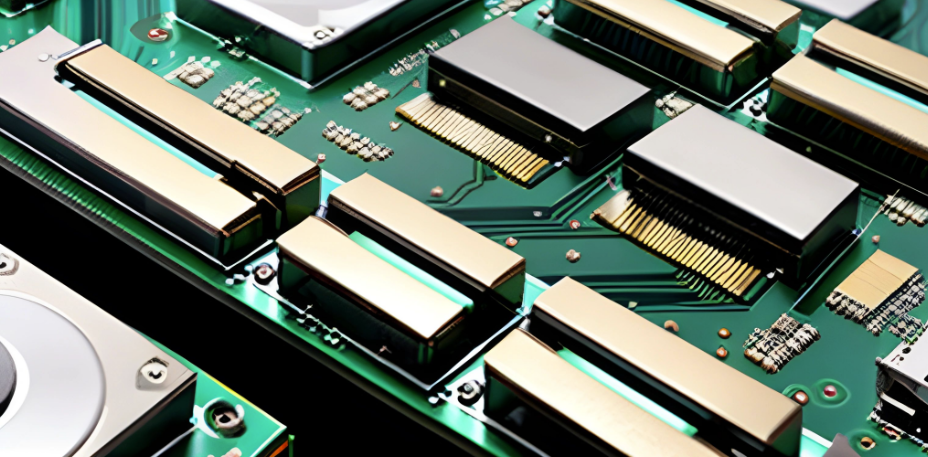
Storage devices contribute to both electricity usage and cooling requirements within modern computing environments. Regular hard disks need extra energy to rotate the disk constantly, thus producing more heat.
In the process of applying cloud server SSD technology, businesses usually face less energy consumption with high-performing cloud computing systems. Reduced energy consumption leads to reduced costs and makes it easier to cool the system without sacrificing performance.
Lower heat generation also enables higher storage density inside servers and storage arrays. Organizations can deploy more computing resources within existing facilities while maintaining efficient thermal management.
5. SSD Technology Supports Future Infrastructure Growth
Modern infrastructure continues to develop as companies deploy artificial intelligence, cloud computing, virtualization, and advanced analytics. The development of such systems requires the implementation of storage that will be able to deliver the desired performance while facing constantly growing load levels.
The infrastructure built upon solid-state drives allows for further scaling of the environment. Higher capacity, endurance, and interface speed will enable the organization to scale up its storage without any performance loss due to mechanical hard drives.
With the continuous development of NAND flash technology, the costs of SSDs will decrease, whereas their performance will remain at the enterprise level.
Building Infrastructure Ready for Tomorrow
Technologies like Dell Technologies and Hewlett Packard Enterprise deliver enterprise-level storage systems that can be used by a wide variety of businesses. Such a platform provides a solid and reliable infrastructure to organizations that need consistent storage performance.
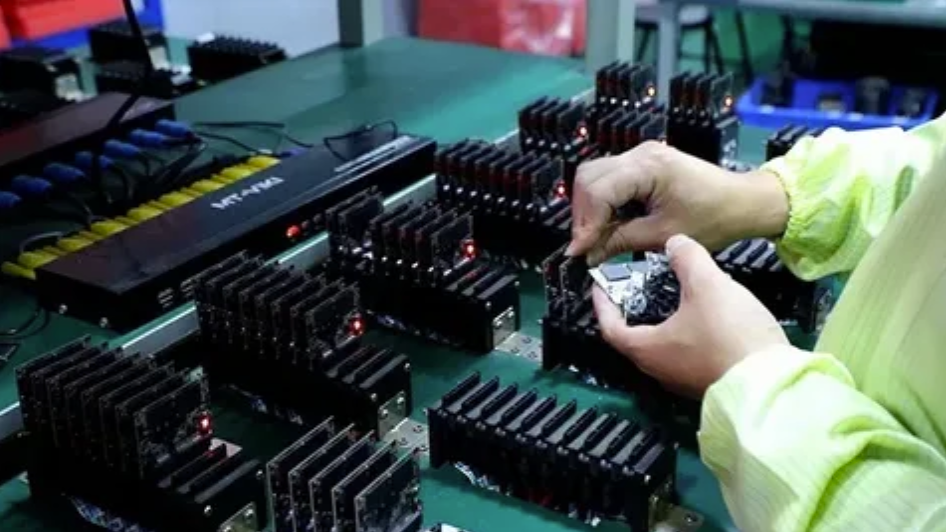
At the same time, Cloud Ninjas concentrates on properly chosen enterprise-level hardware that is aimed at combining performance and reliability with reasonable value. A purpose-built storage system helps organizations to introduce SSD-based infrastructure that works well under any circumstances without any extra complications.
Switching from traditional storage to SSD-based storage is the result of increasing demands for higher speed and efficiency of the computing process. Organizations that introduce proper technologies into their infrastructure prepare themselves for dealing with new challenges and improving performance.