
You brush, you rinse, you try to do the right thing, and it can still feel like your teeth are one step away from trouble. Maybe your gums bleed a little when you floss. Maybe your breath never feels as fresh as it should. Maybe you leave dental visits wondering how cavities happen when you are already putting in the effort. That frustration is real. A home routine can look fine on the surface and still miss the small habits that protect your teeth day after day, which is why it may be time to schedule a professional dental cleaning in Dearborn Heights.
The good news is that better results usually do not come from doing everything harder. They come from doing a few things more carefully and more consistently. Better oral hygiene at home often means using the right tools, brushing with better technique, cleaning between teeth every day, and giving fluoride enough time to work. Those changes can lower plaque, reduce gum irritation, and help you get more from your visits with a general dentist.
Your daily dental care routine works best when technique matches effort
A lot of people rush through brushing because mornings are crowded and nights get long. Two quick passes with a toothbrush can feel productive, but plaque sticks along the gumline and between teeth, where rushed brushing misses the most. That is where irritation starts, and where small problems turn into fillings or gum treatment later.
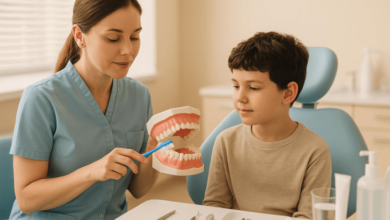
Brush for a full two minutes, twice a day, with a soft bristled toothbrush and fluoride toothpaste. Angle the bristles toward the gumline and use small circles instead of hard back and forth scrubbing. Scrubbing feels thorough, but it can wear enamel and irritate gums. The National Institute of Dental and Craniofacial Research shares solid oral hygiene basics that support this simple shift in technique.
The same pattern shows up with flossing. People often floss only when food gets stuck, then wonder why their gums bleed. Bleeding is usually a sign that the tissue is inflamed, not a sign that flossing should stop. Gentle daily flossing or use of interdental brushes can calm that inflammation over time. If you have tight contacts, waxed floss may be easier to control. If you have wider spaces or dental work, small interdental brushes often clean better.
Fluoride and timing make home dental care more effective
One of the easiest mistakes is brushing and then washing all the toothpaste away. If you rinse hard right after brushing, you shorten the time fluoride stays on your teeth. That matters because fluoride helps strengthen enamel and can slow early decay. The CDC explains how fluoride protects teeth in a clear, practical way.
Spit out excess toothpaste after brushing, but try not to rinse with water right away. Give the fluoride a chance to sit on the teeth. If you use a fluoride mouthwash, use it at a different time of day unless your dentist tells you otherwise. That spacing can help your home dental care routine work harder without adding much effort.
Timing matters with food and drinks too. Brushing right after soda, citrus, wine, or sports drinks can push acid around while enamel is softened. Waiting about 30 minutes gives your saliva time to help rebalance the mouth. If your teeth feel sensitive and you are brushing right after breakfast every day, that habit alone may be part of the problem.
Small tool changes can improve at home teeth cleaning results
The toothbrush you use matters less than how well you use it, but some tools make consistency easier. An electric toothbrush can help if you tend to rush, press too hard, or miss the back teeth. A tongue scraper can help with breath when bacteria build up on the tongue. A water flosser can support gum health, especially around braces, bridges, and implants, though it should not always replace floss unless your dentist advises it.
Replace your toothbrush or brush head every three to four months, or sooner if the bristles splay. Worn bristles do a poor job along the gumline, even if you are brushing on schedule. This is one of those quiet problems that people do not notice until they switch to a fresh brush and realize how much better it feels.
Daily habits shape oral health more than most people expect
Snacking all day keeps feeding mouth bacteria, especially when the snacks are sticky or sugary. Dry mouth adds another layer, because saliva helps wash away food and protect enamel. If you sip sweet coffee for hours, breathe through your mouth at night, or take medications that dry your mouth, your routine has to work against more pressure.
The CDC offers practical oral health tips for adults that support the basics many people overlook, including tobacco avoidance, healthy food choices, and regular dental care. Even a strong brushing habit can struggle if your mouth stays dry or sugar exposure happens all day long.
| Habit | Less Effective Version | More Effective Version |
| Brushing | 45 seconds, hard scrubbing, medium brush | 2 minutes, gentle circles, soft brush |
| Toothpaste use | Brush and rinse fully with water | Brush, spit, and avoid rinsing right away |
| Cleaning between teeth | Only when food gets stuck | Daily floss or interdental brush use |
| Acid exposure | Brush right after soda or citrus | Wait about 30 minutes before brushing |
| Tool maintenance | Keep brush until bristles flatten badly | Replace every 3 to 4 months |
Three steps that improve your oral care routine right away
Track two minutes and lighten your pressure. Use a timer for one week. Focus on the gumline, the back molars, and the inside surfaces of the lower front teeth. If the bristles bend while you brush, you are pressing too hard.
Clean between every tooth once a day. Pick the tool you will actually use. Floss, floss picks, interdental brushes, or a water flosser can all help, but consistency matters more than perfection. This is one of the fastest ways to upgrade your teeth cleaning routine at home.
Change what happens after brushing. Use fluoride toothpaste, spit instead of rinsing, and avoid eating or drinking for a short time afterward. That small change can improve cavity protection without adding another product or step.
See also: When Your Website and Your Shop Floor Disagree
Steady habits protect your teeth better than occasional effort
You do not need a complicated system. You need a routine that fits your real life and covers the spots plaque loves most. A few smart changes can make your brushing and flossing count more, lower the risk of decay and gum problems, and make dental visits less stressful.
If something still feels off, such as bleeding gums, ongoing sensitivity, or bad breath that keeps coming back, a general dentist can help you find the reason and tighten up the parts of your routine that are not working.