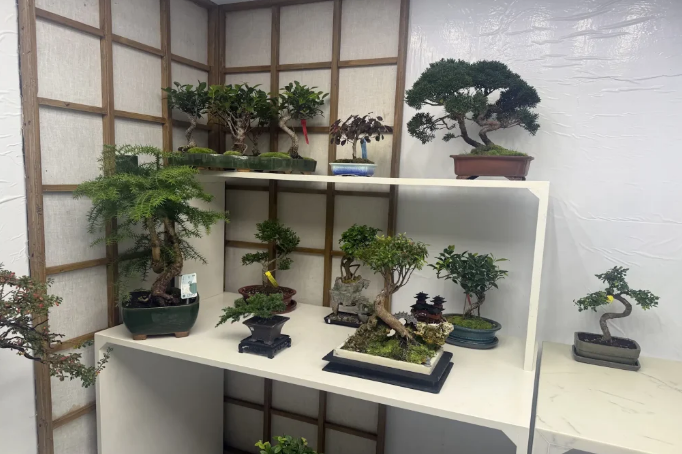

Retailers that sell bonsai trees depend heavily on the quality and consistency of their suppliers. Unlike ordinary manufactured products, bonsai are living plants that continue to change after they leave the nursery. Their health, shape, root condition, and overall appearance can vary according to cultivation and handling practices.
For a garden center, online plant store, landscaping company, or specialty nursery, selecting a reliable source for bonsai wholesale is therefore an important business decision.
A good supplier should provide more than competitive pricing. Plant quality, communication, packaging, availability, and consistency all influence whether a wholesale relationship is successful.
Start With Plant Quality
The most obvious factor is the health of the trees.
Retailers should expect plants to arrive in a condition that allows them to enter normal inventory after appropriate inspection and acclimatization.
Signs of healthy plants can include appropriate foliage, stable growth, a well-maintained root system, and freedom from obvious pest or disease problems.
The exact appearance depends on species and season, so buyers should establish realistic quality standards with their supplier.
Consistency Matters
A retailer needs to know what it is ordering.
If a supplier offers a particular species and size category, the delivered trees should reasonably match the agreed specifications.
Consistency can include:
- Species identification
- Plant height
- Trunk size
- Pot size
- Development stage
- General health
- Root condition
- Packaging quality
Clear specifications reduce misunderstandings between buyer and supplier.
Species Knowledge
A knowledgeable supplier can help retailers select products according to their target customers.
Different species have different growing requirements and levels of difficulty.
A supplier that understands these differences can provide useful information about light requirements, temperature tolerance, watering, seasonal behavior, and general care.
This information can help retailers decide which plants are appropriate for their market.
Availability and Seasonal Planning
Plant availability naturally changes throughout the year.
Some species may be easier to source during certain seasons, while others may have different appearances depending on growth cycles.
Retailers should discuss availability schedules with suppliers in advance.
A supplier that communicates upcoming availability can help businesses plan promotions, seasonal displays, and inventory orders more effectively.
Packaging Is Part of Quality
A healthy tree can still arrive in poor condition if it is badly packaged.
Bonsai need protection during transportation because branches, foliage, pots, and soil can all be damaged by movement.
Wholesale buyers should ask suppliers how plants are secured and protected during shipping.
For larger orders, packaging should also allow staff to unload and inspect trees efficiently.
Shipping Conditions
Transportation time can affect living plants.
Long shipping periods may expose trees to temperature changes, dehydration, or other stress.
Retailers should therefore consider delivery schedules when selecting a supplier.
The supplier should provide clear information about shipping methods and expected transit times.
For particularly sensitive plants, buyers may need to coordinate deliveries around weather conditions.
Communication With the Supplier
Good communication can prevent many problems.
Retailers should be able to discuss product availability, quantities, specifications, shipping, packaging, and unexpected issues.
A supplier that responds clearly and promptly can make wholesale purchasing much easier.
Communication becomes even more important when ordering customized quantities or less common varieties.
Request Photos or Samples
When purchasing a new product range, retailers can benefit from seeing actual plants before placing a large order.
Photographs can provide a general idea of quality and appearance, while samples may offer a more accurate understanding of what customers will receive.
This is particularly useful for businesses ordering online.
Retailers can compare the supplied plants with their expected product standards before committing to larger quantities.
Evaluate Pricing Carefully
Price remains important, but it should be evaluated in context.
A supplier offering very low prices may not necessarily provide the best business value if plant quality is inconsistent or transportation losses are high.
Retailers should calculate the effective cost after considering shipping, damaged plants, maintenance, replacement, and staff time.
A slightly higher purchase price may be justified if the supplier provides significantly better quality and reliability.
Consider Packaging Waste
Environmental considerations are becoming more important to many businesses.
Retailers may want to understand how their supplier approaches packaging and whether materials can be reused or recycled.
This is not only an environmental issue. Excessive packaging can also increase disposal work and transportation costs.
Efficient packaging should protect plants without creating unnecessary material waste.
Supplier Scalability
A supplier may be suitable for a small retailer but unable to support significant growth.
Businesses should consider whether the supplier can handle larger orders if demand increases.
Reliable availability becomes especially important when a retailer invests in marketing and establishes a recognizable bonsai product line.
A scalable supplier relationship can support expansion without requiring the business to completely change its sourcing strategy.
Customer Expectations
Retailers should remember that the supplier’s quality ultimately affects their own customers.
A customer buying a bonsai expects to receive a healthy plant that matches its description.
If the plant arrives in poor condition or is incorrectly identified, the retailer may need to handle complaints and replacements.
This is why supplier evaluation is directly connected to customer satisfaction.
Build Clear Purchasing Standards
Businesses can improve wholesale relationships by creating a written purchasing standard.
The document can specify acceptable species, sizes, pot types, quality levels, packaging requirements, and delivery expectations.
Having clear standards gives both parties a common reference point.
It also makes it easier for a retailer to compare different suppliers objectively.
Long-Term Relationships
Once a reliable supplier is identified, maintaining the relationship can provide significant advantages.
The supplier can learn the retailer’s preferred products and quality requirements, while the retailer can better understand seasonal availability and ordering schedules.
Long-term relationships can also improve communication when unexpected issues arise.
Conclusion
Finding the right supplier for bonsai wholesale requires more than comparing price lists.
Retailers should evaluate plant health, consistency, species knowledge, seasonal availability, packaging, transportation, communication, scalability, and long-term reliability.
A strong supplier should make it easier for a business to maintain a healthy inventory and provide customers with plants that meet expectations.
When wholesale sourcing is treated as a long-term business relationship rather than a one-time transaction, retailers can build a more reliable bonsai product line and create a stronger foundation for continued growth.