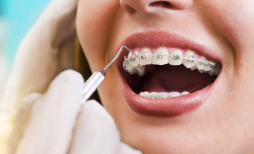

You might be feeling pulled in two directions right now. On one hand, you want a healthier smile, a better bite, or help for your child’s teeth. On the other, you may have heard stories about braces being painful, only for kids, or impossible to keep clean. That mix of hope and worry is common, and it can make even a simple visit to an orthodontist in Tuckahoe, Eastchester, NY feel like a big step.
Here is the short version. Many of the fears people carry about braces come from old ideas, half-true stories, or advice passed around without context. The truth is that orthodontic treatment is more flexible, more comfortable, and more practical than many people expect. Once you understand what is real and what is not, it becomes much easier to make a clear decision about seeing an orthodontist.
Are braces only for teenagers, or can adults benefit too?
One of the most common myths is that braces are only for kids and teens. That belief keeps many adults from asking questions, even when they have crowding, bite issues, jaw discomfort, or shifting teeth. You may have told yourself, “I missed my chance.” But that is often not true.
Adult orthodontic care is common because teeth can move at many stages of life. If your teeth have shifted over time, if you did not have treatment when you were younger, or if your bite is causing wear and strain, braces may still help. According to MedlinePlus information on orthodontia, orthodontic treatment can help improve tooth alignment and bite concerns, which can support both function and appearance.
Why does this myth stick around? Part of it is memory. Many people picture middle school yearbooks, metal brackets, and awkward smiles. Because of that image, adults may feel embarrassed about even asking. But the real question is not your age. The real question is whether your teeth and bite would benefit from care.
So, where does that leave you? If you are an adult with spacing, crowding, or bite concerns, it may be worth getting an evaluation instead of assuming the door has closed. Common misconceptions about braces often stop people long before a professional ever looks at their teeth.
Does orthodontic treatment always hurt more than people say?
This is the myth that scares people most. Many imagine constant pain, trouble eating, and weeks of misery after every adjustment. That fear can feel bigger than the treatment itself.
The truth is more balanced. Braces can cause soreness, especially after they are first placed or adjusted, but soreness is not the same as severe pain. Most people describe it as pressure or tenderness that fades after a few days. Soft foods, wax, and simple comfort measures often help during that short adjustment period.
The problem with this myth is that it takes a real experience, some temporary discomfort, and turns it into a horror story. Then people delay care, and the issues they already have may get worse. Crooked or crowded teeth can be harder to clean. Bite problems can sometimes lead to uneven wear. Waiting does not always make treatment easier.
If you are worried about discomfort, ask specific questions. What will the first week feel like? What can you eat? What helps if a bracket rubs your cheek? A good orthodontic team will walk you through it in plain language. When you know what to expect, the unknown loses some of its power.
Will braces ruin oral hygiene, or can you still keep your teeth clean?
Another common fear is that braces automatically lead to cavities, stained teeth, or poor oral health. That is not really the full story. Braces do make cleaning more important, and yes, they add a few more places for food and plaque to hide. But they do not ruin your teeth on their own.
What matters most is daily care. If you brush well, clean around brackets and wires, and keep up with checkups, you can protect your teeth during treatment. The National Institute of Dental and Craniofacial Research offers helpful oral hygiene guidance that supports strong daily habits, including brushing and flossing routines that matter even more when orthodontic appliances are involved.
This is where myths can do real damage. Someone hears that braces are bad for teeth, gets nervous, then avoids treatment completely. But the better question is this. Are braces the problem, or is poor cleaning during treatment the real issue? In most cases, consistent hygiene is the deciding factor.
What do these braces myths and facts look like side by side?
When you are sorting through advice from family, social media, and old memories, a simple comparison can help. Some braces myths debunked are easier to understand when you see them laid out clearly.
| Myth | What people fear | What is closer to the truth |
|---|---|---|
| Braces are only for teens | Adults think they are too old for treatment | Adults often get braces or other orthodontic care for crowding, spacing, and bite issues |
| Braces always cause severe pain | People expect constant pain and major disruption | Most people feel temporary soreness or pressure, especially after adjustments |
| Braces damage teeth | People worry about cavities and permanent marks | Teeth can stay healthy during treatment with strong brushing, flossing, and regular visits |
This matters because fear often grows in the gaps between facts. If you have been avoiding an appointment because of one of these beliefs, you are not alone. But you also do not have to stay stuck there.
See also: Accurate Bookkeeping: The Cornerstone of Small Business Success
What can you do right now if you are unsure about braces?
1. Write down the myth that is bothering you most.
Be specific. Is it pain, age, cost, or cleaning? Once you name the fear clearly, it becomes easier to test it against real information instead of letting it stay vague and heavy in your mind.
2. Ask for an orthodontic evaluation, not a commitment.
You do not need to decide on treatment before you get facts. An evaluation can tell you whether care is needed, what options may fit your needs, and what the timeline could look like. That is often enough to replace anxiety with a plan.
3. Strengthen your oral care habits now.
Even before treatment, better brushing and flossing help. If braces are in your future, these habits will serve you well. If they are not, your teeth still benefit. Either way, you gain something useful right away.
How do you move forward without getting lost in old braces misconceptions?
If you have been carrying around outdated ideas about braces, it makes sense that you feel hesitant. A lot of people do. But the facts are often far less scary than the myths. Braces are not just for teenagers, discomfort is usually manageable, and good oral hygiene can protect your teeth throughout treatment.
The next step does not have to be dramatic. It can be as simple as asking questions, getting evaluated, and learning what applies to your own smile instead of relying on someone else’s story. When you replace fear with clear information, decisions tend to feel lighter and much more manageable.