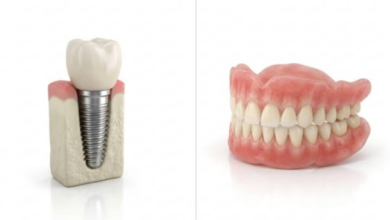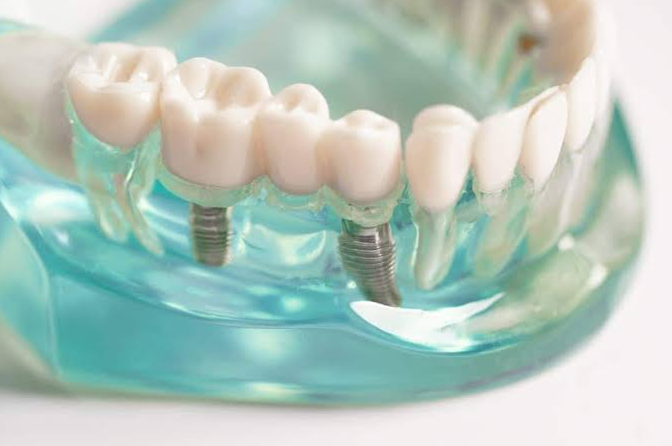

If you have thin lips, you may already know how much they change the way teeth show when you talk, smile, or rest your face. Small differences in tooth length, edge position, and bulk can stand out fast. An implant crown that looks fine on a model can feel too prominent in real life, or it can disappear behind the lip and leave your smile looking flat. That is the tension many people feel before treatment, especially when discussing options with a dentist in Berkeley. You want the implant to be strong and natural, but you also do not want it to draw the wrong kind of attention.
That is why dentists who provide implant and cosmetic dentist services do not design restorations by looking at the tooth alone. They study lip support, smile line, facial movement, gum display, and the way light reflects off the front teeth. For patients with thin lips, the goal is usually restraint and precision. The crown has to support the smile without overfilling it, and it has to blend with nearby teeth in shape, color, and contour.
Thin lips change how an implant restoration is seen
Thin lips often reveal more of the front teeth and sometimes more of the gums. That means the margin where crown, implant, and soft tissue meet may be easier to see. Any mismatch in shade, surface texture, or tooth position can become obvious. A crown that is slightly too long may make the smile look strained. A crown that is too full may push the lip forward in a way that feels unnatural. Patients notice this quickly, even when they cannot name exactly what feels off.
Front tooth implants are the most demanding because the surrounding gum and bone shape the final look. The National Institute of Dental and Craniofacial Research has published broad oral health findings showing how oral conditions affect daily life, appearance, and confidence in ways that are not minor or cosmetic only. You can see that context in the Oral Health in America report. When a visible tooth is being replaced, design choices affect speech, comfort, and self image as much as bite strength.
See also: How To Create A Dining Space That Works for Everyday Life in Oklahoma
Implant crown design for thin lips depends on contour, not just color
Many patients assume shade matching is the main challenge. It matters, but contour usually decides whether the restoration disappears into the smile or keeps catching your eye. Dentists look at the facial surface of the tooth, the line angles, the incisal edge, and the emergence profile where the restoration rises from the gum. With thin lips, subtle overcontouring can create shadows or fullness that make the crown look artificial.
This is where planning gets more detailed. A dentist may use photos, digital scans, wax ups, and provisional restorations to test how the tooth looks when your lips are at rest and in motion. If the upper lip is thin and mobile, the dentist may keep the facial contour flatter, refine the incisal translucency, and avoid bulky ceramics. The American Dental Association outlines common materials for indirect restorations, and those material choices matter because some ceramics reflect light more naturally in the front of the mouth than others.
Material science also shapes the result. Stronger does not always mean better looking, and the best option depends on implant position, bite force, and visibility. Research supported by NIDCR on dental materials continues to improve how restorations balance strength, biocompatibility, and esthetics. For a patient with thin lips, that balance is not abstract. It affects whether the crown blends softly with neighboring teeth or looks dense and flat.
Soft tissue management often decides the final esthetic outcome
A front implant restoration is never just a crown. The gum shape around it frames the tooth, and thin lips can expose that frame every time you smile. If the tissue is thin, the metal components underneath may shadow through. If the papilla between teeth is missing, dark triangles may appear. If implant placement is slightly off angle, the crown may need extra bulk to compensate, which can make the lip contour look wrong.
That is why some cases need grafting, custom abutments, or a longer provisional phase before the final crown is made. A published discussion in the New York State Dental Journal reflects the larger point many patients learn during treatment. Esthetic implant success depends on planning the hard tissue and soft tissue together, not after the fact.
Key design choices for patients with thin lips
| Design factor | What dentists assess | Why it matters with thin lips |
|---|---|---|
| Tooth length | How much tooth shows at rest and in a full smile | Even slight excess can make the crown look too dominant |
| Facial contour | How much the crown projects forward | Overcontouring can push the lip out and create an artificial look |
| Emergence profile | How the crown rises from the gum | Bulky transitions are easier to see when lips are thin |
| Material choice | Light transmission, strength, and surface finish | Natural reflection helps the restoration blend in the smile |
| Gum architecture | Papilla height, tissue thickness, and symmetry | Thin lips reveal gum irregularities more clearly |
Bring photos of your natural smile from earlier years
Old photos give your dentist clues that scans cannot. They show tooth display, lip posture, and the shape your smile had before damage or tooth loss. This helps guide implant restoration design for thin lips in a way that feels personal, not generic.
Ask for a preview before the final crown is made
A mock up, temporary, or digital smile preview can reveal problems early. You may notice that the tooth feels too full or too long when you speak, laugh, or relax your lips. Those are useful details, and they are easier to fix before the final ceramic is delivered.
Choose a provider who plans implants with cosmetic detail
Not every implant case is an esthetic case, but front teeth in patients with thin lips usually are. Ask how the office handles tissue shaping, custom abutments, and provisional crowns. Ask to see examples of esthetic implant restorations and other dental implant restorations in the smile zone. Good planning tends to sound specific, not vague.
The right restoration should look calm in your face. It should not feel bulky, shiny, or out of place. If you have thin lips, your concerns are not picky. They are exactly the concerns that guide careful treatment. A dentist who respects those details can build an implant restoration that supports your smile without overpowering it.