
Homeowners tend to think about snow and cold when it comes to garage door wear. Fair enough. But UV rays beating down on a south-facing door can do just as much quiet damage over time. That steady sun exposure fades finishes, warps panels, and dries out seals without most people even noticing until something stops working right.
For homeowners looking into garage door services in Castle Rock by Select Garage Doors, understanding how sun damage develops can help with better timing on maintenance and repairs. The mix of intense sunlight and Colorado’s dry climate creates a one-two punch that wears down garage doors faster than many expect.
What Does UV Damage Actually Look Like on a Garage Door?
UV damage on a garage door typically shows up as fading, chalking, or peeling on the surface finish. Paint and stain lose their original color, and the protective coating breaks down over time. On wood doors, the grain may start to crack or split. Metal doors can develop a chalky residue when the finish deteriorates.
Fading and Discoloration
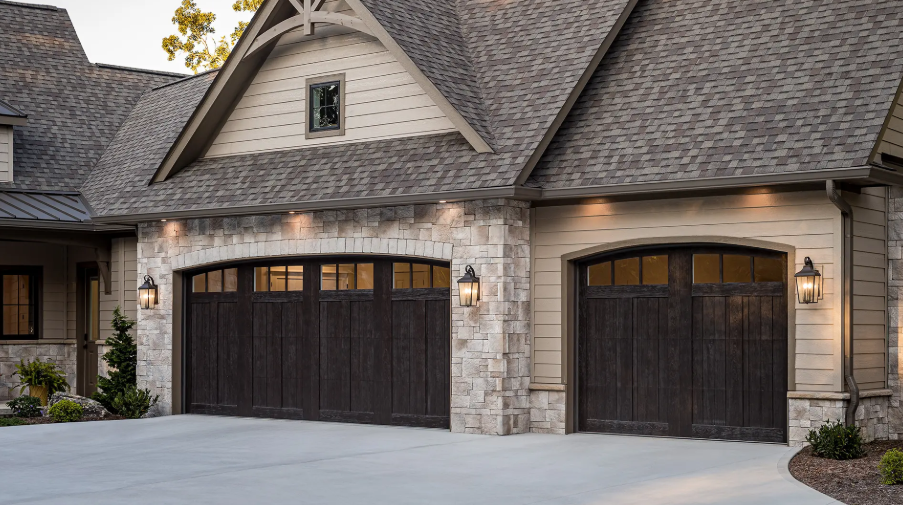
The first thing most homeowners notice is the color change. A door that once had a deep, rich tone starts looking washed out and uneven. South-facing and west-facing doors tend to catch more direct sunlight throughout the day, so fading shows up on those sides first. It happens so gradually, it’s easy to miss until someone points it out.
Surface Cracking and Peeling
Once the finish breaks down, the material underneath becomes exposed. Wood doors can develop surface cracks that deepen if they’re left untreated. Painted metal doors might show peeling or bubbling, especially around edges where moisture and heat stress meet. These aren’t just cosmetic problems. They open the door to moisture intrusion and further deterioration.
Weatherstrip and Seal Deterioration
It’s not just the panels. The rubber seals and weatherstripping around a garage door take a beating from UV exposure, too. Sun-baked rubber gets brittle and stiff, which means it stops sealing properly. That leads to drafts, dust, and moisture sneaking into the garage.
Why Does Castle Rock’s Elevation Make Sun Damage Worse?
The air is thinner and drier at elevation, which intensifies sun exposure compared to lower-lying areas. Combined with the region’s dry climate and wide temperature swings, garage doors here face more aggressive UV wear than doors in many other parts of the Front Range.
Thinner Atmosphere, Stronger Rays
At higher elevations, there’s simply less air between the sun and everything on the ground. That thinner atmosphere lets more UV radiation through, and it’s the UV that does the real damage to finishes and materials. Homeowners who’ve moved from lower-altitude cities often don’t realize how much faster sun damage develops here.
Dry Air Accelerates the Breakdown
Castle Rock doesn’t get a lot of humidity to cushion materials from UV exposure. The dry air pulls moisture out of wood, rubber, and even paint layers. When a surface is already dried out, UV hits harder and the damage compounds. It’s a cycle that can quietly accelerate when maintenance gets put off.
How Can Homeowners Spot Early Signs of Sun Damage?
Homeowners can catch sun damage early by doing a quick visual inspection of their garage door a couple of times a year. Look for color changes, rough or chalky surfaces, brittle weatherstripping, and cracks in the finish. Catching these signs early gives homeowners a chance to address problems before they lead to bigger repairs or full panel replacement.
What to Look For During a Visual Check
A simple walk-up inspection can reveal a lot. Run a hand across the surface. If it feels rough, chalky, or powdery, the finish is breaking down. Compare the color on the sun-facing side to a shaded area. A noticeable difference means UV damage is already underway.
A few things tend to stand out during that kind of inspection.
- Color fading or uneven shading across panels
- Chalky residue on the surface when touched
- Cracking or peeling paint
- Rubber seals that feel stiff or have visible cracks
- Wood grain that appears raised or splintered
Protecting a Garage Door from Sun Damage Starts with Awareness
The sun isn’t going to let up in Castle Rock. That’s just part of living at elevation in Colorado. But a little attention goes a long way when it comes to keeping a garage door in good shape. Regular visual checks, keeping the finish intact, and replacing worn seals before they fail can add years to a door’s lifespan.
2274 Manatt Ct, Castle Rock, CO 80104
303-381-0005