
Introduction
A kitchen needs to do more than look attractive. It should make everyday cooking easier, provide enough storage, suit the way a household uses the space and complement the character of the property. This is where fitted kitchens can make a significant difference, particularly when a room has awkward dimensions or needs to serve several purposes.
Rather than choosing standard units and trying to make them work around an existing room, a carefully planned kitchen can be designed around the available space. From cabinet placement and worktop areas to appliance positions and storage, every element can contribute to a more practical environment.
Start With How the Kitchen Will Be Used
One of the first questions to consider is not what style you like, but how you actually use your kitchen.
A family that regularly cooks together may need generous preparation areas, durable surfaces and easy-access storage. Someone who enjoys entertaining could benefit from an island or peninsula that creates a natural meeting point without interfering with food preparation.
For smaller homes, clever use of vertical space, integrated appliances and pull-out storage can help reduce clutter. Open-plan properties may require a design that connects naturally with adjoining dining or living areas.
A professional kitchen designer can help translate these everyday requirements into a workable layout rather than focusing solely on appearance.
Make Every Part of the Room Count
One of the main advantages of a fitted design is the ability to make better use of the room’s dimensions. Standard furniture can leave awkward gaps, particularly around corners, windows or unusual wall shapes. A tailored approach can account for these features from the beginning.
Storage deserves particular attention. Deep drawers can provide convenient access to cookware, while tall cabinets can make use of otherwise wasted vertical space. Dedicated areas for food, cleaning products, small appliances and utensils can also make the kitchen easier to keep organised.
The aim is not simply to add more cupboards. Good planning places storage where it is most useful and keeps frequently used items within comfortable reach.
Choose a Style That Will Age Well
Kitchen trends can be useful sources of inspiration, but a successful design should still feel right several years after installation.
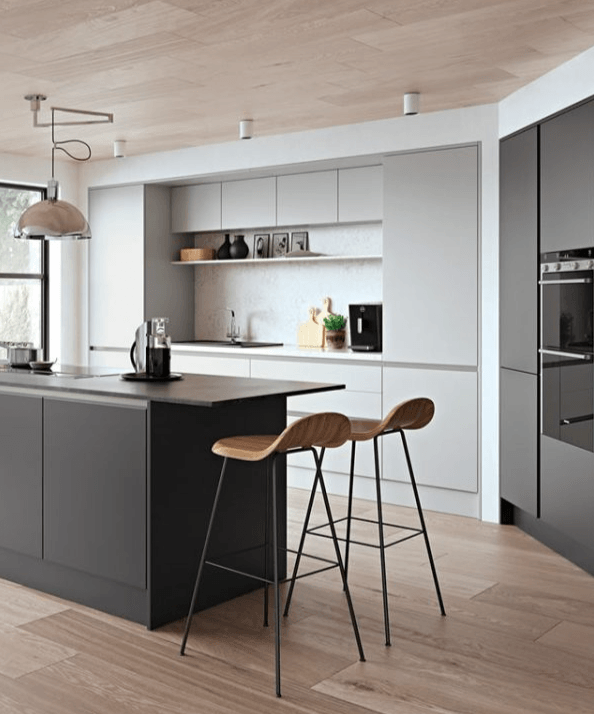
Modern handleless cabinetry can create a clean, uncluttered appearance, while traditional and Shaker-inspired designs can bring warmth and character to a room. Colours, worktops, handles, splashbacks and lighting can then be combined to create a look that reflects the rest of the property.
There is no single style that works for every home. A contemporary design may suit a recently renovated open-plan space, whereas a more traditional approach could complement a period property.
The most effective designs balance current preferences with practical choices that are likely to remain appealing over time.
Consider Appliances During the Planning Stage
Appliances should not be treated as an afterthought. Their dimensions, locations and connections can influence the entire kitchen layout.
Built-in ovens, integrated refrigeration and concealed dishwashers can create a streamlined appearance, while carefully positioned cooking and preparation zones can make everyday tasks more efficient.
It is also worth considering how doors and drawers will open when several appliances or units are being used at once. A beautiful kitchen can quickly become frustrating if movement is restricted or essential items are positioned too far apart.
This is another area where working with an experienced kitchen designer can add value. Appliance requirements can be incorporated into the layout before cabinetry is manufactured or installed.
Think About Installation as Part of the Design
The quality of a kitchen is not determined by cabinetry alone. Accurate measurements, preparation and installation all influence the finished result.
A well-managed project may involve several elements, including cabinetry fitting, worktops, plumbing, electrical work and finishing details. Coordinating these stages can help prevent delays and reduce the risk of different parts of the installation working against one another.
For homeowners planning a complete renovation, choosing a company that can manage multiple stages of the project can also make communication simpler. Clear plans and accurate measurements should be established before work begins.
Local Manufacturing Can Offer Practical Advantages
For homeowners in Shropshire and surrounding areas, locally manufactured kitchens can provide another option when comparing suppliers. QA Shropshire, for example, designs, manufactures and installs fitted kitchens, with its kitchens produced at its Telford manufacturing facility.
The company’s history in Shropshire dates back to 1983, and its services cover areas including Telford, Shrewsbury, Wolverhampton, Stafford and surrounding locations. Its approach combines design consultations, local manufacturing and installation as part of one service.
Seeing kitchen displays in person can also be useful. Showrooms provide an opportunity to compare finishes, cabinet styles, storage ideas and layouts before making a decision.
See also: How to Keep Your Home Cool and Your AC Efficient During Summer Heat in 2026
Plan for Everyday Comfort, Not Just Appearance
A kitchen renovation represents a significant investment, so the finished room should work for daily life rather than simply look impressive in photographs.
Think about where groceries will be unloaded, where appliances will be used, how several people will move through the space and which items need to remain accessible. Lighting, seating, storage and worktop positions should all support these activities.
The best fitted kitchens combine visual appeal with thoughtful planning. By considering lifestyle, room dimensions, storage, appliances and installation from the outset, homeowners can create a space that feels naturally suited to their property.
Whether the preferred look is sleek and contemporary or warm and traditional, careful design can turn an ordinary kitchen into a practical and enjoyable part of the home.