
Hair loss is a common concern affecting both men and women across different age groups. While losing some hair every day is part of the natural hair growth cycle, excessive shedding or thinning may indicate an underlying issue that needs attention.
Hair loss can affect confidence, appearance, and emotional well-being. The good news is that many causes of hair loss can be identified early and managed with the right lifestyle changes, medical care, and preventive strategies.
Understanding why hair loss happens and what steps can help protect hair health is essential for long-term results.
Understanding Hair Loss
Hair grows in cycles that include growth, resting, and shedding phases. When this cycle becomes disrupted, hair thinning or excessive shedding may occur.
Normal Hair Shedding vs Excessive Hair Loss
It is normal to lose around 50 to 100 hairs per day. However, hair loss may require medical attention if you notice:
- Excessive hair on pillows or combs
- Visible thinning of hair
- Widening hair parting
- Bald patches or uneven hair loss
- Reduced hair volume over time
Early recognition helps improve treatment outcomes.
Common Causes of Hair Loss
Hair loss can happen for many reasons, including genetics, hormonal changes, lifestyle habits, and medical conditions.
1. Genetic Factors
Hereditary hair loss is one of the most common causes, commonly seen as male or female pattern hair loss.
2. Hormonal Changes
Hormonal changes caused by pregnancy, menopause, thyroid disorders, or polycystic ovary syndrome (PCOS) may affect hair growth.
3. Nutritional Deficiencies
Low levels of certain nutrients can contribute to hair thinning.
Common deficiencies include:
- Iron
- Vitamin D
- Protein
- Zinc
- Vitamin B12
4. Stress and Lifestyle
Physical or emotional stress can trigger temporary hair shedding. Poor sleep, smoking, and unhealthy diets may also affect scalp health.
5. Medical Conditions
Certain conditions may contribute to hair loss, including:
- Thyroid disorders
- Autoimmune diseases
- Scalp infections
- Chronic illnesses
Proper diagnosis is important when hair loss becomes persistent.
Natural Ways to Prevent Hair Loss
Lifestyle and hair care habits play an important role in maintaining healthy hair growth.
1. Eat a Balanced Diet
Hair follicles need nutrients to stay healthy.
Foods that support hair health include:
- Eggs and lean proteins
- Nuts and seeds
- Leafy green vegetables
- Fruits rich in antioxidants
- Whole grains
A balanced diet supports the hair growth cycle.
2. Manage Stress Levels
Stress can disrupt hormone balance and trigger hair shedding.
Helpful stress management strategies include:
- Meditation
- Deep breathing exercises
- Regular physical activity
- Quality sleep
Reducing stress can improve both overall health and hair growth.
3. Gentle Hair Care Practices
Aggressive hair styling and chemical treatments can weaken hair.
Healthy Hair Habits
- Avoid excessive heat styling
- Use mild shampoos
- Avoid tight hairstyles
- Limit harsh chemical treatments
- Avoid over-washing the scalp
These habits help reduce breakage and scalp irritation.
Scalp Care
A healthy scalp supports healthy hair growth.
Scalp massage may improve blood circulation and help support hair follicle health.
See also: 6 Smile Enhancement Tips From Dentists Who Combine Health And Aesthetics
Medical Treatments for Hair Loss
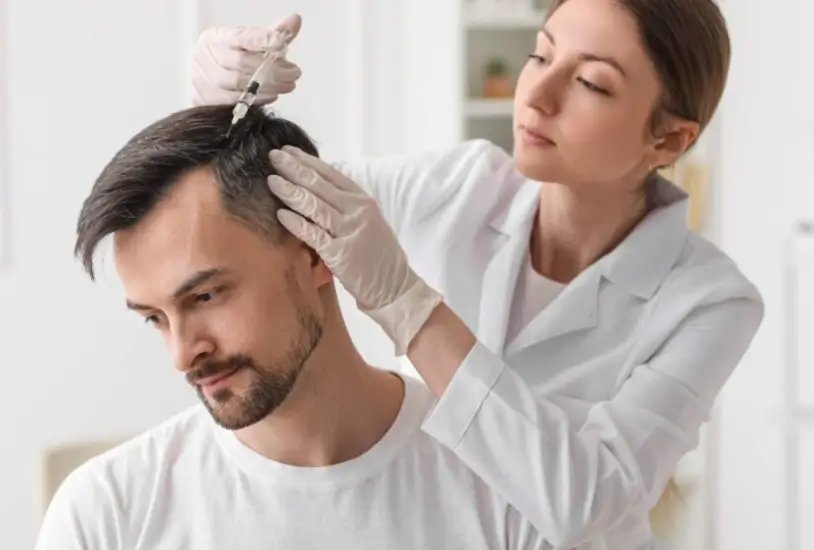
When natural methods are not enough, medical treatments may be recommended depending on the cause.
1. Topical Treatments
Certain medicated solutions may help stimulate hair growth and reduce shedding.
2. Oral Medications
In some cases, doctors may recommend prescription medications to address hormonal or hereditary hair loss.
3. Treatment for Underlying Conditions
If hair loss is linked to thyroid disease, anemia, or hormonal imbalance, treating the underlying cause usually improves hair health.
In Mumbai, many individuals searching for how to prevent hair loss commonly explore lifestyle changes and seek medical evaluation by a healthcare professional to identify whether genetics, nutrition, stress, or hormonal imbalances are contributing to thinning hair.
Importance of Early Diagnosis
Hair loss usually responds better when treated early.
When Should You Seek Medical Advice?
You should consult a healthcare professional if you notice:
- Sudden hair shedding
- Patchy hair loss
- Scalp itching or redness
- Hair thinning that worsens over time
- Hair loss with fatigue or weight changes
Early diagnosis can prevent further hair thinning and improve treatment success.
Hair Loss in Men and Women
Hair loss patterns commonly differ between men and women.
Hair Loss in Men
Men commonly experience:
- Receding hairline
- Thinning at the crown
- Pattern baldness
Hair Loss in Women
Women may experience:
- Diffuse thinning
- Wider hair parting
- Reduced hair density
Hormonal factors usually play a major role in female hair loss.
Can Hair Loss Be Reversed?
Hair regrowth depends on the underlying cause.
Conditions with Better Recovery Potential
Hair loss caused by:
- Nutritional deficiencies
- Stress
- Hormonal imbalance
- Certain illnesses
may improve with proper treatment.
Hereditary hair loss may require long-term management rather than complete reversal.
Preventing Hair Loss Long-Term
Consistency is important for maintaining hair health.
Long-Term Hair Care Tips
- Maintain a nutritious diet
- Stay hydrated
- Manage stress
- Avoid smoking
- Protect hair from excessive heat and pollution
- Schedule regular health checkups
These habits support healthier hair over time.
Frequently Asked Questions
What is the most common cause of hair loss?
Genetics, hormonal changes, stress, and nutritional deficiencies are among the most common causes.
Can diet really affect hair growth?
Yes, poor nutrition can weaken hair follicles and increase shedding.
Does stress cause hair loss?
Yes, physical and emotional stress can trigger temporary hair shedding.
When should I see a doctor for hair loss?
You should seek medical advice if hair loss is sudden, patchy, or continues for several weeks.
Can hair grow back after thinning?
Hair regrowth is possible in many cases if the underlying cause is identified and treated early.
Conclusion
Hair loss can result from many different factors, including genetics, hormonal changes, nutrition, stress, and medical conditions. Understanding the root cause is the first step toward effective prevention and treatment.
Both natural lifestyle changes and medical treatments can help protect hair health and reduce hair thinning. Early diagnosis, proper scalp care, balanced nutrition, and professional guidance can make a significant difference in maintaining stronger, healthier hair over the long term.