
Introduction
When a product leaves a warehouse, its journey is far from over. It may be loaded onto a vehicle, moved between distribution centres, handled several times, and finally delivered to a customer. During this process, products can face vibration, impact, pressure, moisture, and general handling damage. This is why choosing suitable protective packaging UK solutions is an important part of modern product distribution.
Good packaging does more than simply surround an item. It can protect delicate components, reduce the likelihood of returns, simplify transportation, and create a better impression when the package reaches the customer. For businesses shipping products throughout the UK, the challenge is finding packaging that combines protection, practicality, cost efficiency, and sustainability.
Why Protective Packaging Matters for UK Businesses
Packaging is often the first physical interaction a customer has with a product. If an item arrives damaged or poorly secured, the customer may associate that experience with the brand itself.
Effective Protective packaging provides a layer of defence between the product and the conditions it encounters during storage and transportation. Depending on the item, this could involve cushioning materials, protective sheets, foam components, wrapping, or carefully designed internal supports.
For manufacturers and online retailers, the benefits can extend beyond preventing damage. Properly secured products are easier to transport, organise, and present. Businesses can also use packaging as part of their wider brand experience by selecting suitable materials, finishes, and designs.
The right solution therefore needs to answer an important question: what does the product actually need during its journey?
Custom Packaging Designed Around the Product
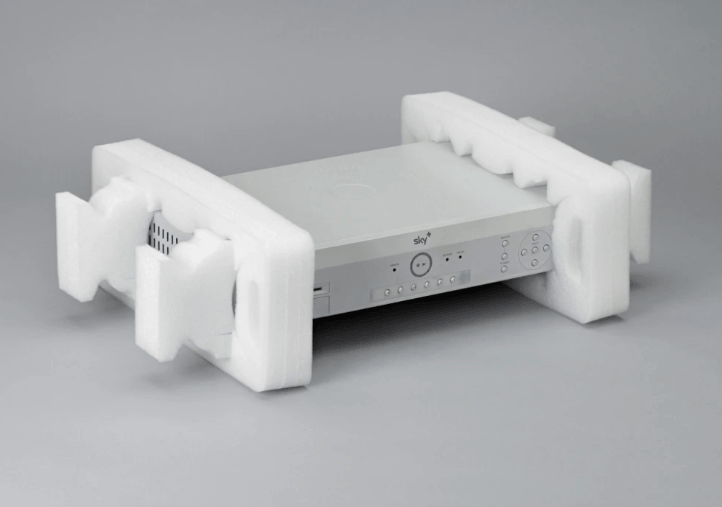
One of the biggest advantages of custom packaging is that it can be developed around the dimensions and characteristics of an individual product rather than forcing the product into a standard box.
A loose item may move around inside a carton, increasing the risk of scratches or impact damage. Conversely, oversized packaging can consume unnecessary storage space and require more filling material. Custom-designed packaging can address these issues by creating an appropriate fit.
Specialist packaging providers can design both the outer carton and the internal fitment as part of one solution. This approach can make the development process more straightforward because businesses do not have to source every packaging component separately.
Custom design can be particularly useful for:
- Fragile or easily damaged products
- Components with unusual shapes
- Heavy or industrial equipment
- Products requiring internal cushioning
- Items that need additional presentation
- Businesses shipping products regularly across the UK
A well-designed package should protect the item while remaining practical for packing teams and economical to transport.
A Complete Packaging Approach Can Save Time
Packaging procurement can become complicated when a company has to purchase boxes, internal protection, wrapping materials, and other supplies from different sources.
A complete packaging solution can simplify this process. Instead of treating the outer carton and internal protection as separate requirements, businesses can develop them together.
This can reduce development time and make purchasing easier. It may also simplify stock management because fewer separate packaging specifications need to be monitored.
For companies handling regular shipments, these small efficiencies can become significant over time. Faster packing, simpler sourcing, and consistent packaging standards can all contribute to a smoother fulfilment operation.
Popular Materials Used for Product Protection
There is no single material that works for every product. The appropriate choice depends on the item’s weight, shape, fragility, environmental requirements, and transportation conditions.
Bubble Wrap for Everyday Cushioning
Bubble wrap remains a practical option for protecting products against minor impacts and surface damage. It is lightweight and flexible, making it suitable for wrapping individual products or filling spaces within cartons.
Different bubble sizes can be selected depending on the level of cushioning required. Rolls can also be cut to particular lengths where a business needs more convenient packing formats.
For general-purpose shipping, bubble wrap can be a simple way to add an additional protective layer without significantly increasing package weight.
Polyethylene Sheets for Stronger Protection
Polyethylene foam sheets are another useful option when products require cushioning and separation.
These sheets can be supplied in a range of thicknesses, allowing businesses to select a specification appropriate to the product. Some options are manufactured with a percentage of recycled material, which can help companies consider environmental objectives alongside physical protection.
Foam sheets can be used as separators, liners, surface protection, or internal cushioning depending on the packaging design.
Polyurethane for Specialist Applications
Polyurethane is widely associated with furniture and bedding, but its properties can also make it useful for protective packaging applications.
Its flexibility and cushioning characteristics can help create packaging components designed to hold products securely. When shaped specifically for an item, foam can reduce unwanted movement and provide protection around vulnerable areas.
This makes foam-based solutions worth considering when standard packaging materials do not provide an adequate fit.
Expanded Polystyrene Components
Expanded polystyrene can be formed into blocks, cubes, and other protective components. These materials can help absorb impacts and fill spaces around products inside a carton.
Packing cubes, for example, can provide cushioning around items while preventing excessive movement during transportation.
Pallet Wrap and Packaging Tape
Protection does not stop with the individual product. Entire cartons and pallets also need to remain secure while they are moved.
Stretch or pallet wrap can help stabilise loads, while packaging tape keeps cartons closed during handling. Options can include clear, brown, and fragile-marking tape, depending on the application.
Together, these simple materials form an important part of a wider protective packaging system.
Sustainability Is Becoming Part of Packaging Decisions
Environmental considerations are changing how businesses approach packaging. Customers are increasingly aware of the materials used to package the products they purchase, while companies are looking for ways to reduce unnecessary waste.
Custom packaging can support sustainability by allowing businesses to use materials more efficiently. Rather than filling a large box with excessive protective material, a correctly designed solution can provide protection while using an appropriate amount of material.
There are also packaging materials available that incorporate recycled content or are designed with sustainability in mind. For businesses, the goal is not simply to use less material, but to find a sensible balance between environmental responsibility and product protection.
A damaged product that needs to be replaced can create additional transportation, manufacturing, and packaging requirements. Effective packaging can therefore contribute to sustainability indirectly by helping prevent avoidable product damage.
See also: What Makes a Good Bonsai Supplier for Retail Businesses?
The Benefits of Using Protective Packaging
Investing in suitable packaging can deliver several practical benefits for businesses.
1. Reduced Product Damage
The primary purpose is protection. Cushioning and internal supports can help absorb shocks and prevent products from moving excessively inside their cartons.
2. Better Customer Experience
Receiving a product in excellent condition creates a stronger impression than opening a damaged or poorly packed parcel. Good packaging can therefore support customer satisfaction.
3. Improved Operational Efficiency
Packaging designed specifically for a product can make packing procedures more consistent. Staff can work with defined packaging components instead of improvising protection for every shipment.
4. Easier Stock Management
A complete packaging strategy can reduce the number of separate packaging decisions a business has to make, potentially making purchasing and stock control easier.
5. Stronger Brand Presentation
Packaging can contribute to how customers perceive a company. A carefully designed package communicates attention to detail and can reinforce a professional brand image.
6. Greater Sustainability Potential
Choosing appropriate dimensions and materials can help businesses avoid unnecessary packaging. Recycled or more environmentally conscious materials can also be incorporated where suitable.
How to Choose the Right Packaging Solution
Before purchasing packaging, businesses should consider the product itself rather than simply selecting the cheapest available material.
Start by assessing the product’s weight, dimensions, fragility, and most vulnerable areas. Then consider how it will be transported and whether it is likely to experience vibration, stacking, or repeated handling.
It is also worth examining the packing process. A packaging solution may provide excellent protection but still be inefficient if it takes too long to assemble.
Finally, consider sustainability and presentation. The best solution should ideally protect the product without creating unnecessary material use, while also meeting the expectations of the target customer.
Conclusion
Protective packaging has become an important part of reliable product distribution across the UK. From bubble wrap and polyethylene sheets to foam components, pallet wrap, and custom-designed internal fitments, businesses have numerous ways to create a safer journey for their products.
The most effective approach is not necessarily to use the most material. Instead, it is about selecting the right combination of materials and designing packaging around the actual needs of the product.
For businesses looking beyond basic boxes and wrapping, protective packaging UK solutions can offer a combination of product security, operational efficiency, professional presentation, and sustainability. With thoughtful design, packaging becomes more than a shipping requirement—it becomes a practical part of the customer experience and an investment in the reliability of the entire supply chain.