
You already know brushing matters. The hard part is keeping up with it when mornings are rushed, school forms are stacked on the counter, and one missed cleaning turns into a year without a dental visit. Family routines slip quietly, which is why seeing a dentist in Lincoln Park, MI can help. Teeth do not wait for life to calm down.
That is why The Importance Of Consistency In Family Dental Care goes far beyond neat calendars and perfect habits. Steady dental care helps catch small problems before they become painful, expensive, or stressful. It gives children a sense of normalcy around oral health, and it gives adults a better chance of avoiding the cycle of delay, discomfort, and urgent treatment. A trusted family dentist is often the anchor that keeps that routine in place.
Consistent family dental care prevents small problems from turning into major ones
Dental issues rarely appear all at once. A tiny cavity can sit quietly until it becomes tooth pain during a school week. Bleeding gums can seem minor until they lead to deeper gum trouble. A child may say nothing at all because they do not know what is normal. An adult may ignore sensitivity because work, bills, and caregiving come first.
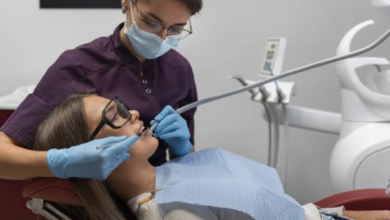
This is where regular care changes the story. Checkups, cleanings, and home habits create a pattern, and patterns make problems easier to spot. Dentists can see early signs of decay, enamel wear, bite issues, and gum inflammation before they interfere with eating, sleep, speech, or confidence.
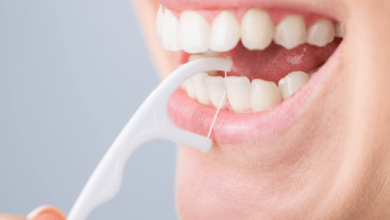
Children benefit in a different way that matters just as much. Oral care becomes part of life rather than a response to pain. The CDC shares practical oral health tips for children that support this kind of routine, including brushing with fluoride toothpaste, flossing when teeth touch, and making regular dental visits part of normal care. That consistency helps reduce fear because the dentist is familiar, not a place they only visit when something hurts.
Adults are not exempt from the same pattern. Skipping routine care often feels like saving time or money in the moment, but untreated issues tend to grow. MedlinePlus explains that dental care involves prevention, diagnosis, and treatment, and each part matters. Prevention costs less than repair. Early diagnosis is easier than crisis management. Treatment is often simpler when it starts sooner.
See also: Welding Solutions Troy, MI: Extend Tool Life With SurfAlloy Surface Treatments
Routine oral health care supports the whole family, not just individual teeth
Families tend to mirror each other. If one parent avoids the dentist, children notice. If checkups are postponed every time life gets busy, that becomes the household standard. On the other hand, when appointments are expected, brushing is supervised, and concerns are addressed early, everyone benefits from the same rhythm.
That matters financially too. A routine cleaning and exam are easier to plan for than an emergency visit, missed work, a child leaving school with tooth pain, or treatment that has become more involved because it was delayed. Consistency does not remove every dental problem, but it lowers the chance that a manageable issue turns into a disruption.
Access also appears to be improving in ways that can help families stay on track. The National Institute of Dental and Craniofacial Research reports that dental visits are increasing and pediatric providers are receiving more support. That is encouraging, especially for parents trying to build better habits after a stretch of missed care.
Regular family dental checkups also create continuity. A provider who sees your family over time can notice changes others might miss. They know a child’s dental history, a teen’s orthodontic concerns, a parent’s grinding habits, or a grandparent’s gum health. That long view often leads to better care and fewer surprises.
Inconsistent dental care creates predictable risks
People often think inconsistency only means forgetting to floss or postponing one cleaning. In real life, it usually comes as a chain reaction. You cancel once because of work. Then a child gets sick. Then insurance changes. Then someone starts having pain, and now the visit is urgent instead of routine.
That shift changes the experience. Routine visits are calmer, shorter, and easier to absorb emotionally. Urgent visits come with anxiety, discomfort, and decisions you may not feel ready to make. For children, that can shape how they view dental care for years. For adults, it often leads to guilt on top of the cost and stress.
| Approach | What It Often Looks Like | Likely Outcome |
|---|---|---|
| Consistent preventive care | Regular exams, cleanings, daily brushing and flossing, early follow up on symptoms | Problems are found earlier, treatment is often simpler, dental visits feel more routine |
| Inconsistent dental care | Missed appointments, rushed home care, waiting for pain before calling | Higher chance of decay, gum issues, emergencies, and larger treatment costs |
| Crisis based care only | Visits happen only when a tooth hurts, chips, or becomes infected | More stress, more invasive treatment, more disruption to work, school, and family life |
Simple steps make dental consistency easier to maintain
Set one family schedule. Pick the month for checkups and put everyone on the calendar at once if possible. When dental care becomes a fixed family event, it is less likely to be pushed aside by whatever feels louder that week.
Tighten the home routine. Keep toothbrushes, fluoride toothpaste, and floss where they are easy to reach. Young children need supervision. Older kids still need reminders. Adults do too, especially at night when energy is low and skipping feels harmless.
Act on early signs. Sensitivity, bleeding gums, bad breath that does not improve, or a child avoiding one side of the mouth are not details to watch for months. Small symptoms often stay small only when someone addresses them quickly. This is where a general family dentistry routine proves its value.
Steady dental habits protect your family over time
You do not need a flawless routine. You need a repeatable one. Consistency in dental care works because it lowers the odds of pain, surprise costs, and last minute decisions made under stress. It helps children grow up with healthier habits and helps adults stay ahead of problems instead of reacting to them.
If your family has fallen out of rhythm, start with the next appointment and rebuild from there. A family dentist can help you create a routine that fits real life and keeps everyone moving in the right direction.