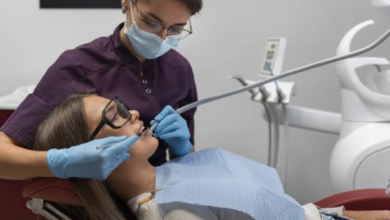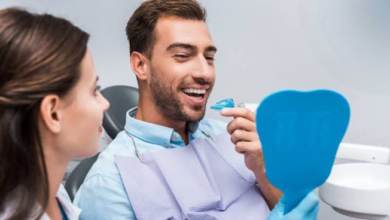

You may be putting off the appointment because life is busy, your last visit was a while ago, or you are bracing for bad news. That is common. A preventive dental visit with a dentist in Germantown, TN is usually much simpler than people fear. In most cases, the goal is not to find something wrong and shame you for it. The goal is to check your oral health, catch small problems early, clean the areas that brushing misses, and give you a clear picture of what comes next.
When you see a family dentist for preventive care, the visit often includes a health review, an exam of your teeth and gums, X rays if needed, a professional cleaning, and practical advice you can use at home. If you bring a child, a partner, or an older parent to the same office, that continuity can make routine care feel less stressful and easier to keep up with.
A Preventive Dental Visit Focuses on Early Detection and Routine Care
A preventive visit starts before anyone looks in your mouth. You will usually update your medical history, list medications, and mention symptoms such as bleeding gums, tooth sensitivity, jaw pain, dry mouth, or bad breath that does not go away. These details matter because oral health and overall health affect each other. The CDC explains the connection between oral health and overall health, including links between gum disease and other health concerns.
The exam itself is straightforward. The dentist checks for cavities, worn fillings, gum inflammation, plaque buildup, bite issues, signs of grinding, and changes in the soft tissues of your mouth. If you have been wondering whether that one tender spot is a problem, this is when it gets a closer look. If your gums bleed when you floss and you have been ignoring it, the visit helps you find out whether it is mild irritation or the start of gum disease.
X rays may be part of the appointment, though not always at every visit. They help detect decay between teeth, bone loss, infections, and other issues that are easy to miss during a visual exam. Then comes the cleaning. A hygienist removes plaque and tartar, polishes your teeth, and may floss them. If your gums are sensitive or you have a lot of buildup, some areas can feel uncomfortable, but routine cleanings are usually brief and manageable.
See also: How To Create A Dining Space That Works for Everyday Life in Oklahoma
Skipping Preventive Dentistry Often Turns Small Problems Into Bigger Ones
People often wait until something hurts. That makes sense in the moment, especially if cost is on your mind or dental visits make you tense. The problem is that cavities, gum disease, and even cracked teeth can develop quietly. By the time pain starts, treatment is often more involved and more expensive.
A small cavity may need a simple filling when caught early. Left alone, it can turn into deep decay that reaches the nerve, and then you are looking at a crown, root canal, or extraction. Early gum inflammation may improve with better home care and regular cleanings. If it progresses, you can end up with gum recession, bone loss, loose teeth, and repeated treatment visits.
This is why routine dental checkups matter. They reduce the chance that a manageable issue turns into a disruption to your work, your sleep, your meals, and your budget. The NIH oral and dental health resource outlines common oral health conditions and why prevention matters across every age group.
What a Family Dental Checkup Often Includes for Adults and Children
A family practice usually adjusts preventive care to the person in the chair. A child may get a gentle exam, cleaning, fluoride treatment, and guidance on brushing habits. A teen may need monitoring for orthodontic issues, wisdom teeth, or sports related wear. An adult may need screening for gum disease, old dental work that is starting to fail, or signs of grinding. An older adult may need extra attention to dry mouth, root decay, denture fit, or medication related changes.
That is one of the strengths of a preventive dental visit in a family setting. Care can stay consistent as needs change over time. The office gets to know your history, your risk factors, and the patterns that tend to show up in your household, whether that is frequent cavities, clenching, or trouble keeping up with flossing.
Home Care and Professional Preventive Care Work Best Together
Brushing and flossing at home do a lot, but they do not do everything. Plaque hardens into tartar, and tartar cannot be brushed away once it forms. A professional exam also catches problems that you may not see in the mirror. The CDC oral health tips for adults reinforce the basics of brushing with fluoride toothpaste, cleaning between teeth, limiting sugar, and keeping regular dental visits.
| Home Care | Professional Preventive Care |
| Removes daily plaque from easy to reach surfaces | Removes tartar and buildup that brushing cannot remove |
| Helps control bad breath and reduce cavity risk between visits | Checks for cavities, gum disease, oral tissue changes, and bite issues |
| Costs less day to day but depends on consistent habits | Can prevent larger treatment costs by catching problems early |
| Cannot show what is happening below the gumline or between teeth | X rays and clinical exams reveal hidden problems |
Three Steps You Can Take Before Your Next Family Dentist Appointment
Gather your health details. Bring a list of medications, recent diagnoses, allergies, and any dental symptoms you have noticed. If your mouth feels dry, your jaw clicks, or one tooth reacts to cold drinks, mention it. Small details often explain larger patterns.
Write down what has been bothering you. People forget once they sit in the chair. Make a quick note on your phone. Include bleeding when brushing, food getting stuck in one spot, headaches in the morning, or a child avoiding one side while chewing.
Ask for a prevention plan you can follow. If you are prone to cavities or gum problems, ask what changes would help most. You may need more frequent cleanings, fluoride treatment, a night guard, or a better brushing technique. Clear advice is easier to act on than vague reminders.
Regular Preventive Visits Make Dental Care Less Stressful Over Time
You do not need perfect teeth to show up. You just need to start where you are. Preventive visits are built to protect your oral health, lower the risk of painful surprises, and help you make steady progress without guesswork. If it has been a while, that does not mean you failed. It means this is a good time to get back on track and schedule your next visit with a family dentist.